










Breaking News
 Iran's mountain shelters offer Taiwan a China survival playbook
 Exposing the True Evils of the Uniparty: Soros Money, Surveillance, and the Rise of a Third Party
 18,000+ Kids Injected With Vaccines While Unconscious At Colorado Hospital
 58% Of Americans Get Their News From Four Left-Leaning Aggregators; Study Finds
Top Tech News
 Modular phone promises total privacy at the flick of a switch
 Genetically Engineered War Dogs for 134 Pound Cyborg Dire Wolves Now – Later 600 Pound Wolves
 They're Quietly REPLACING Our Food With THIS… And Nobody Is Talking About It!
 Chicago Opens First "Teacher-Free" AI School as Global Push Accelerates
 Solar Panels Are Doing Something Nobody Expected
 DeLorean climbs skyward to race electric flying cars
 Atari's 800XL returns with a keyboard, cartridges and BASIC
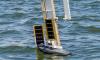 Bioinspired robot airdrops into remote waters via morphing wing-sail
 Anduril interceptor adapts to emerging threats via swappable stages
 I Built a Website to Expose Solar and Battery Scams


The Skills That Will Really Matter After An Economic Meltdown
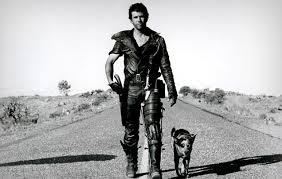
What is going to matter are skills. What goods or services can you provide that will be useful for others? During and after an economic meltdown, survival will be the challenge. The basics of food, shelter and clothing are obvious. Other skills will be extremely useful to travel, commerce, and aggressive defense.
The concept of private barter and alternative economies has been so far removed from our daily existence here in America that the very idea of participating in commerce without the use of dollars seems almost outlandish to many people. People sometimes forget that the smallest and most convenient storage space is in their own heads. If you find yourself in the midst of a disaster and you need to either build or fix something, having the necessary knowledge and skills in your mind instead of in a book will hugely benefit your ability to survive.
There's no way of telling quite how different life after a major disaster or serious collapse of society could be, but humans are remarkably resilient, so life would certainly go on.