










Breaking News
 Something Is VERY WRONG With Silver
 What The Hell Is Going On With Beef? | Brooke Rollins #505 | The Way I Heard It
 WARNING: U.S. Mint Is SUSPENDING Silver Dealers
 Trump Just Admitted Unthinkable Dollar Reset (Most Don't Understand the Plan)
Top Tech News
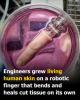 Most artificial limbs rely on silicone or plastic to mimic human hands.
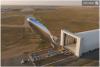 Flying cell tower beams phone signal to Japan from 10 miles up
 Chinese Commercial Reactor Achieves Nuclear Fusion with Clean Hydrogen-Boron Fuel
 Med Beds Just Took a MASSIVE Step Forward, Healing People in Days!
 Palmer Luckey: Autonomous Weapons Are Ancient and Why Anduril Won't Build Humanoids | EP #295
 A laser just photographed objects through six feet of concrete
 Elon Musk's Next-Gen Motor Destroy Entire EV Industry
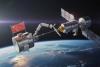 China's disputed satellite refueling heralds new space war era
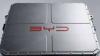 BYD Will Put Solid-State Batteries In An EV Next Year: Executive
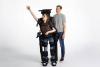 FDA-cleared exoskeleton puts spinal-cord patients back on their feet



Robot pilots may someday fly passenger and cargo planes
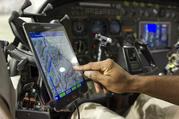
The government and industry are collaborating on a program that seeks to replace the second human pilot in two-person flight crews with a robot co-pilot that never tires, gets bored, feels stressed out or gets distracted.
The program is funded by the Defense Advanced Research Projects Agency, the Pentagon's arm for development of emerging technologies, and run by Aurora Flight Sciences, a private contractor. With both the military and airlines struggling with shortages of trained pilots, officials say they see an advantage to reducing the number of pilots required to fly large aircraft while at the same time increasing safety and efficiency by having a robot pick up the mundane tasks of flying.
The idea is to have the robot free the human pilot, especially in emergencies and demanding situations, to think strategically.