










Breaking News
 The Download: GLOBAL WAR LOOMING, GOVERNMENT AT YOUR DOOR & DOCTORS...
 Episode 495: AI'S FREE PASS, NIH FINALLY WAKES UP & CHILDHOOD DEATH BOMBSHELL
 Xi backs AI safety with Trump, draws Taiwan line, urges Iran talks
 The Israeli Lobby Boasts of Its Rule of America
Top Tech News
 Tesla Model 3 killer charges from 10 to 97% in just 9 minutes
 World-first unpowered DNA computer sets speed record
 I Power 5 Buildings Off-Grid. Here's How
 The US government is pushing hard to get a working nuclear fission reactor into space by late 2028
 SpaceX Starmind AI in Space Radiator
 China Will Dominate Global Nuclear Energy Through 2035, Analyst Says
 These Absolutely Wild-Looking EVs Are Saudi Arabia's First Homegrown Cars
 BEYOND THE MOON: NASA plans a nuclear-powered fleet to push DEEPER into space
 Big Oil Backs Mazama's $135 Million Bet On Superhot Geothermal
 Quantum compass takes flight on Northrop's Lumberjack drone


Could Your Fitbit Data Be Used To Deny You Health Insurance?
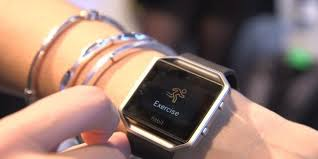
Wearing a fitness tracking device could earn you cash from your health insurance company. At first, this sounds lucrative for the people who participate, and good for the companies, who want healthier insurance customers. But it's not quite so simple.
Under the program, people who have certain health insurance coverage plans with UnitedHealthcare can elect to wear a Fitbit activity tracker and share their data with the insurance company. The data would be analyzed by Qualcomm Life, a company that processes medical data from wireless sensors for doctors, hospitals and insurance companies. Depending on how active participants are, as measured by the Fitbit, they could earn as much as US$1,500 toward health care services each year.