










Breaking News
 Brace Yourselves: Serious Trouble Brewing In The Data Center Industry
 Modular phone promises total privacy at the flick of a switch
 THE O'LEARY PLAN TO TAKE THOUSANDS OF ACRES FOR WATER RIGHTS.
 It's Starting: The Fall of Europe
Top Tech News
 Genetically Engineered War Dogs for 134 Pound Cyborg Dire Wolves Now – Later 600 Pound Wolves
 They're Quietly REPLACING Our Food With THIS… And Nobody Is Talking About It!
 Chicago Opens First "Teacher-Free" AI School as Global Push Accelerates
 Solar Panels Are Doing Something Nobody Expected
 DeLorean climbs skyward to race electric flying cars
 Atari's 800XL returns with a keyboard, cartridges and BASIC
 Bioinspired robot airdrops into remote waters via morphing wing-sail
 Anduril interceptor adapts to emerging threats via swappable stages
 I Built a Website to Expose Solar and Battery Scams
 Whistleblower Issues Dire Warning: Rogue AI, Hacking Nuclear Programs...



Solar Panel Farm Yields 17,000 Tons Of Food Annually In The Worst Climates
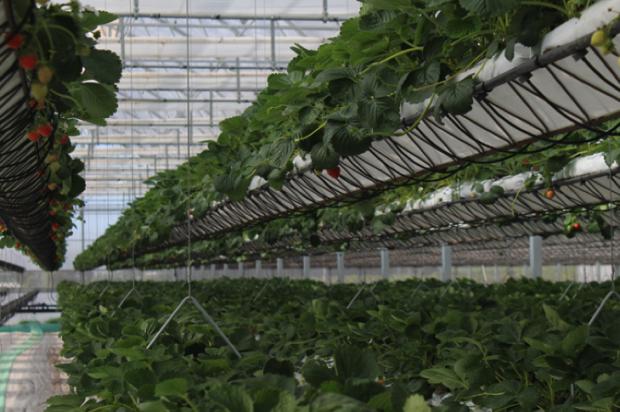
A major shift in agriculture that is moving away from traditional farming and towards innovative techniques for food production has been happening over the past few years and solar panel technology is at the heart of most new concepts. With hydroponics, underwater farming, floating farms, and vertical indoor farming, the list of new ways to produce food is growing every year.
There are many causes behind the shift, most of them being driven by humans; climate change, pesticide-use, the destruction of once-viable land, and GMO expansion are all major reasons that innovators are testing out new ways to feed the world.
Despite what companies that use GMOs want you to believe, genetically-modified organisms are actually hurting the world more than they are helping it. Though food production may be increasing in the short-term because of these practices, studies have proven that chemical farming is actually destroying the land and resources necessary to produce food in the long run.
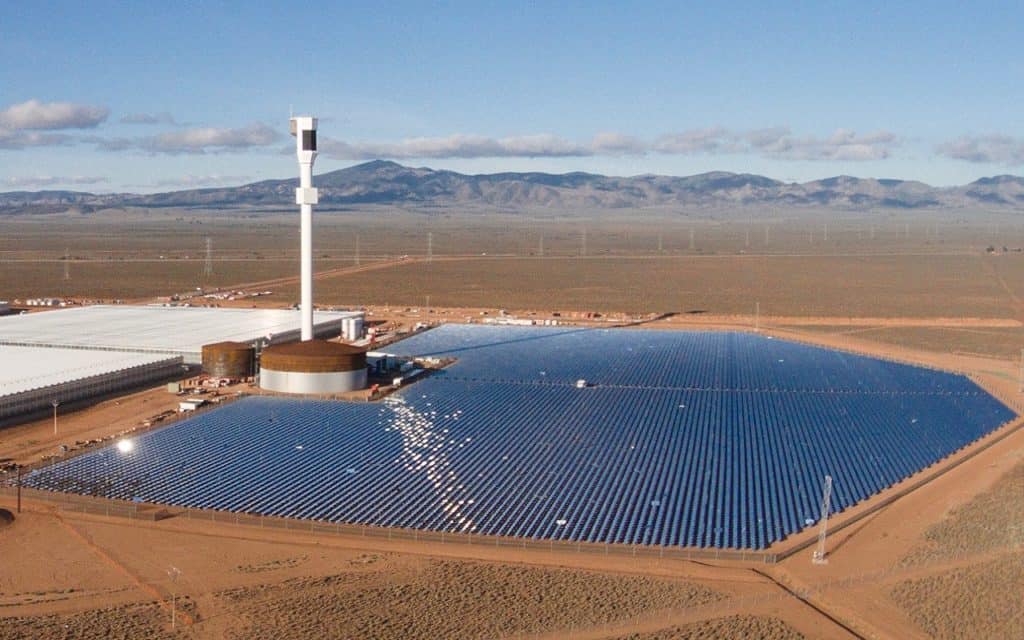
Credit: Sundrop Farms
That's why many people stress the importance of buying and eating organic produce. Not only do you support local farmers trying to produce fruits and vegetables naturally, but you know that the food you're putting in your body is good for both you and the environment.
With the solar panel farms created by Sundrop Farms, organic produce is all that's born from their unusual but up-and-coming methods. The first farm that they opened was in the desert in Port Augusta, South Australia in 2010, where the surrounding area is dry, desolate, and barren. In other words, it's totally inappropriate and completely impossible to start a farm there—or so you thought.