










Breaking News
 This is the future we shall bring into being
 Elon Musk's Vision For The Future Looks Like A Movie
 Phosphorus Munitions Fired by Israel Burn Groves, Orchards in Southern Lebanon
 Iran's IRGC Warns It Will Expand 'Geography of the War' If the US Attacks Again
Top Tech News
 BEYOND THE MOON: NASA plans a nuclear-powered fleet to push DEEPER into space
 Big Oil Backs Mazama's $135 Million Bet On Superhot Geothermal
 Quantum compass takes flight on Northrop's Lumberjack drone
 Terrifying AI Behavior Even Its Creators Couldn't Explain
 WW3 Near-Miss? AI Hallucinated Nuclear Weapons Components Aboard Chinese Vessel Bound For Iran
 Stripe Is Building the Toll Road for the Machine Economy
 Toyota Dakar hopeful swaps twin-turbo V6 for hydrogen fuel cells
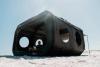 4-min turbo-inflatable cubic camp castle is now available in the USA
 Researchers Used Claude To Hack OpenAI Employee Accounts
 Chinese Scientists Develop New Oil Refining Method That Cuts Energy Use by 90%



Could a robotic bike messenger ride the fast lane to autonomous delivery?
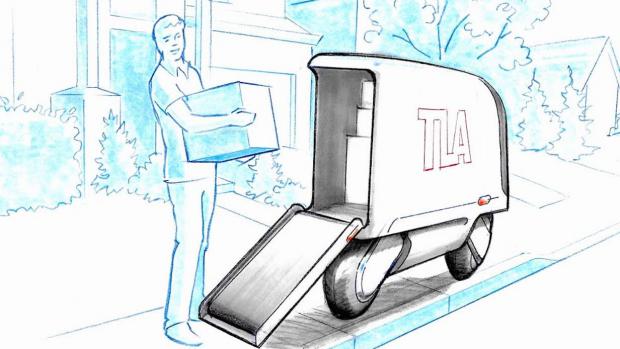
Taking a similar approach is the team at LastMileRobotics, who is building a robotic courier based on a tried-and-true methods of the good ol' fashioned bike messenger.
Taking a two-wheeled approach to autonomous delivery could offer the same traffic-avoiding, cost-saving benefits of other concepts, such as those from the aforementioned Starship Technologies and airborne variants from Amazon and Flirtey. But the so-called TWILL bots (two-wheels in line locomotion) would be skinny and agile enough to roll up to your door. They could also boast a bigger range than drones, and lessen the risk of collisions with pedestrians and other vehicles.
"TWILL bots stand tall, on the scale of cars," LastMileRobotics co-founder Chris Tacklind explains to New Atlas. "This allows them to be seen as just another vehicle. But they are skinny, so they don't take up a lane of traffic. The big wheels allow them to traverse large cracks and even curbs. Their agility allows them to navigate pretty much anywhere people walk."