










Breaking News
 Amazon Boeing Plane Bursts Into Flames After it Overshoots Runway at Miami International Airpot
 Trump grants clemency to 30 people, White House pardon czar says
 Bessent: "CUT THE SNAKE'S HEAD OFF"--But Who is the Real Target?
 Special LIVE Saturday Show: Could The Gov Seize XRP After Chilling FDIC Admission? Gas Prices...
Top Tech News
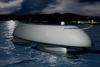 Floating data center would provide water and electricity to 32,000 homes
 OpenAI Cuts Off Elon's Cursor, Humanity's First Star Probe, and Trump's Nuclear Mars Shi
 Eating pollution? Plastic-to-cookie technology raises safety, environmental concerns
 Ford's $30,000 Fathom EV Truck Appears More Conventional Than Expected
 Berlin-based artist Simon Weckert explored that idea with Digital Camouflage...
 Tether expands tokenization business into Saudi Arabia, starting with real estate
 Ukraine is facing a new problem in its war with Russia:
 It charges more than it discharges while driving
 Dataminr AI tech to go live on NATO Maven system: CEO
  The Most Dangerous Interview Ever Recorded? PART 2


VTOL electric plane with 36 engines has successful test flight and will enable air taxi service
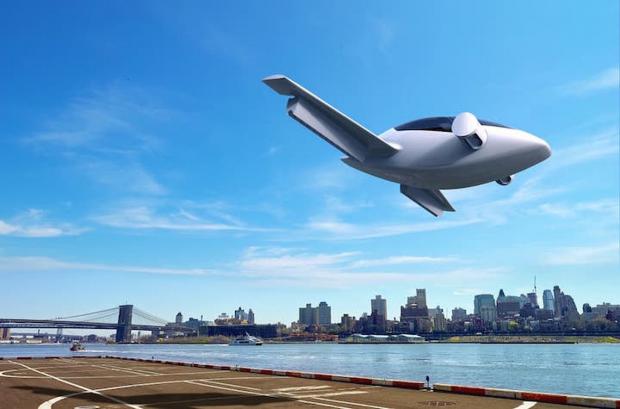
Lilium has invented a completely new aircraft concept for the modern age. While vertical take-off and landing (VTOL) itself is not new – after all, quadcopters, tilt rotors and tilt wings are well-known concepts – they did not want to accept the compromises inherent to these configurations.
Quadcopters excel with their simplicity but are highly inefficient in cruise flight. Transition aircraft can fly three times faster and ten times further with an equally sized battery, but system complexity is usually much higher.
The Lilium Jet consists of a rigid winged body with 12 flaps. Each one carries three electric jet engines. Depending on the flight mode, the flaps tilt from a vertical into a horizontal position. At take-off, all flaps are tilted vertical, so that the engines can lift the aircraft. Once airborne, the flaps gradually tilt into a horizontal position, leading the aircraft to accelerate. When they have reached complete horizontal position, all lift necessary to stay aloft is provided by the wings as on a conventional airplane.