










Breaking News
 Men Won't Marry? Now Government Is Targeting Cohabitation
 The largest bondholder in the world's second largest bond market is shrinking its book...
 Whistleblower from inside the Obama administration exposes the election fraud cartel,...
 House Passes Resolution Ordering President Trump to End the Iran War
Top Tech News
 Quantum computing may soon become part of the microscope itself.
 Volkswagen Just Unveiled The Most Efficient EV Ever Tested
 NASA Super Light Solar Sail Project Will Be 12-40 Times Lighter and Faster
 Space Telescope Interferometer to Image Exoplanet Continents
 Twenty-five years of "temporary": how 9/11 built a surveillance state Americans never vote
 I'll Never Buy Another WALMART Battery!
 Shoei GT-Air 3 Smart helmet drops with built-in AR for $1,500
 AI Whistleblower Tells Tucker How AI Could Kill All Humans by 2040
 You Hate Flock? Well There's More...
 Will Spiking Diesel Prices Drive Autonomous Trucking?



Why Coconut Oil Is So Good for You
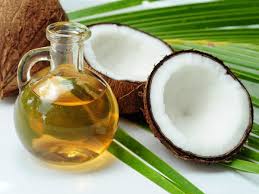
Despite more than 1,700 medical studies1 being performed on coconut oil, it continues to be vilified mainly because 90 percent of its fat content is saturated fat. However, saturated fats, and most particularly coconut oil, are a vital part of the human diet. For decades, we've labored under the false belief that saturated fat is a leading cause of heart disease. Research suggests there is no significant evidence demonstrating that saturated fat clogs your arteries or puts you at risk for a heart attack or stroke.
In fact, particular types of saturated fat, including coconut oil, are necessary for optimal health. If you have bought into the media hype that saturated fats are unhealthy and will raise your risk of heart disease, please reconsider your position. If you've been avoiding coconut oil, you'll find that it has many beneficial properties that make it a worthwhile addition to your diet.
Certainly, if you've stayed away from coconut oil because you've been misled to believe it is fattening, you deserve to know the truth that it can actually help you lose weight, not gain it. Having said that, if you are allergic to coconut oil or you simply don't like the taste, then it's best not to use it.