










Breaking News
 Amazon Boeing Plane Bursts Into Flames After it Overshoots Runway at Miami International Airpot
 Trump grants clemency to 30 people, White House pardon czar says
 Bessent: "CUT THE SNAKE'S HEAD OFF"--But Who is the Real Target?
 Special LIVE Saturday Show: Could The Gov Seize XRP After Chilling FDIC Admission? Gas Prices...
Top Tech News
 Floating data center would provide water and electricity to 32,000 homes
 OpenAI Cuts Off Elon's Cursor, Humanity's First Star Probe, and Trump's Nuclear Mars Shi
 Eating pollution? Plastic-to-cookie technology raises safety, environmental concerns
 Ford's $30,000 Fathom EV Truck Appears More Conventional Than Expected
 Berlin-based artist Simon Weckert explored that idea with Digital Camouflage...
 Tether expands tokenization business into Saudi Arabia, starting with real estate
 Ukraine is facing a new problem in its war with Russia:
 It charges more than it discharges while driving
 Dataminr AI tech to go live on NATO Maven system: CEO
  The Most Dangerous Interview Ever Recorded? PART 2


Hypersonic and anti-hypersonic arms race
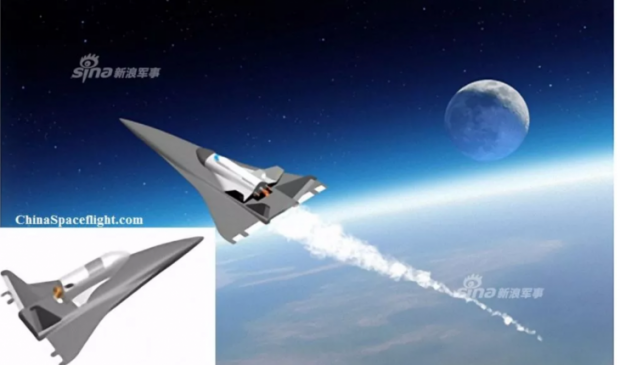
They would then try to develop a Mach 6, unmanned spyplane by 2030 that would perform the same role as the old SR-71 Blackbird. The hypersonic spyplane would enter highly contested and defended airspace at altitudes of 18 and 62 miles, using its speed to outrun enemy defenses. Hypersonic planes could fire hypersonic missiles. It would join the B-21 stealth bomber in the US air force future global strike arsenal.
Raytheon is also developing anti-hypersonic missile defenses.
Air-breathing hypersonic weapons and boost glide weapons are very difficult to engage, as both fly depressed trajectories that dispense with the high, arc-like, and most importantly predictable trajectories of traditional ballistic missiles.