










Breaking News
 Something Is VERY WRONG With Silver
 What The Hell Is Going On With Beef? | Brooke Rollins #505 | The Way I Heard It
 WARNING: U.S. Mint Is SUSPENDING Silver Dealers
 Trump Just Admitted Unthinkable Dollar Reset (Most Don't Understand the Plan)
Top Tech News
 Most artificial limbs rely on silicone or plastic to mimic human hands.
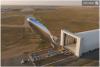 Flying cell tower beams phone signal to Japan from 10 miles up
 Chinese Commercial Reactor Achieves Nuclear Fusion with Clean Hydrogen-Boron Fuel
 Med Beds Just Took a MASSIVE Step Forward, Healing People in Days!
 Palmer Luckey: Autonomous Weapons Are Ancient and Why Anduril Won't Build Humanoids | EP #295
 A laser just photographed objects through six feet of concrete
 Elon Musk's Next-Gen Motor Destroy Entire EV Industry
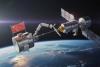 China's disputed satellite refueling heralds new space war era
 BYD Will Put Solid-State Batteries In An EV Next Year: Executive
 FDA-cleared exoskeleton puts spinal-cord patients back on their feet



Musk Will Build His Own Hyperloop For New York To D.C. 29-Minute Transit
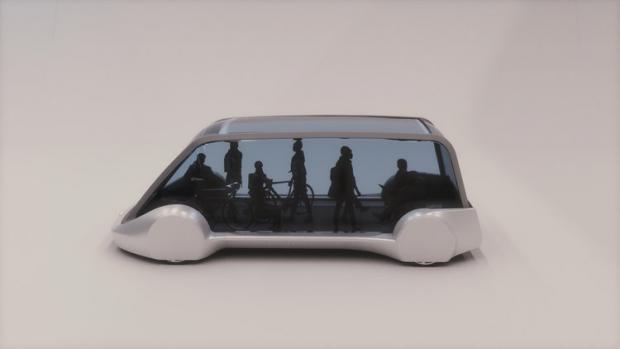
It's fantastic that Musk is ready to dive back into the hyperloop plan first hand, and push it forward at a faster rate. However, it stands to complicate the issue for the other three companies that have taken on the project and invested quite an amount of time and money thus far.
Musk shared a substantial white paper on the topic in 2013. He had drafted it with his team at Space Exploration Technologies Corp. At the time, Musk made it clear that the plans were to function as a free starting point for any company or individuals that had the wherewithal to attempt to move it forward. He shared on a conference call:
"I don't have any plan to execute because I must remain focused on SpaceX and Tesla."
In the simplest of terms, the hyperloop is a future form of transportation, which relies on a pressurized vacuum tube to move a suspended pod through at incredible speeds. Due to the lack of air resistance and friction, Musk's plan showed the potential for travel over 700 miles per hour.