










Breaking News
 FDA-cleared exoskeleton puts spinal-cord patients back on their feet
 It couldn't be more f*cking clear...
 The Beautiful Future Of Anarcho-Capitalism, With Guest Matthew Geiger
 S&P Near a Record... 60% of Its Stocks in a Bear Market
Top Tech News
 Tesla Model 3 killer charges from 10 to 97% in just 9 minutes
 World-first unpowered DNA computer sets speed record
 I Power 5 Buildings Off-Grid. Here's How
 The US government is pushing hard to get a working nuclear fission reactor into space by late 2028
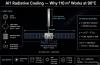 SpaceX Starmind AI in Space Radiator
 China Will Dominate Global Nuclear Energy Through 2035, Analyst Says
 These Absolutely Wild-Looking EVs Are Saudi Arabia's First Homegrown Cars
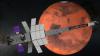 BEYOND THE MOON: NASA plans a nuclear-powered fleet to push DEEPER into space
 Big Oil Backs Mazama's $135 Million Bet On Superhot Geothermal
 Quantum compass takes flight on Northrop's Lumberjack drone


When There is No Doctor:

When the SHTF, and it will, there will be enough things to worry about other than staying healthy. Yet, even in good times we get sick and cut our hands. A quick trip to your local physician and you are back on track. So how should we prepare for when times are not so good and there is no doctor or emergency room?
It's important to know what you'll do in times of extreme emergency such as a collapse of society; this is where a disaster preparedness planning comes into play.
When the SHTF and a medical situation does occur, things can go to absolute turmoil very quickly. During a medical situation, the focal point should be on the care of the injured individual. A medical emergency may happen swiftly, without warning and can be serious enough to cause loss of life. But most medical situations will arise that are not emergencies when they take place but could become one if not appropriately treated.