










Breaking News
 Diesel Is the Pretext...
 Your Opportunity to Weigh In on Federal Vaccine Policy - Deadline Sunday Sept 20
 Palantir $PLTR CEO Alex Karp says "AI companies have to be nationalized"
 It's infuriating that they know better, but sell us out until they leave
Top Tech News
 World's smallest CT scanner fits in the palm of your hand
 The Tesla Roadster will blow people's minds
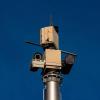 Peter Thiel-Funded Company Anduril to Triple the Number of Autonomous Surveillance Towers...
 Quantum computing may soon become part of the microscope itself.
 Volkswagen Just Unveiled The Most Efficient EV Ever Tested
 NASA Super Light Solar Sail Project Will Be 12-40 Times Lighter and Faster
 Space Telescope Interferometer to Image Exoplanet Continents
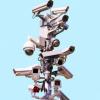 Twenty-five years of "temporary": how 9/11 built a surveillance state Americans never vote
 I'll Never Buy Another WALMART Battery!
 Shoei GT-Air 3 Smart helmet drops with built-in AR for $1,500



Roam's robotic ski exoskeleton can help you ski better for longer
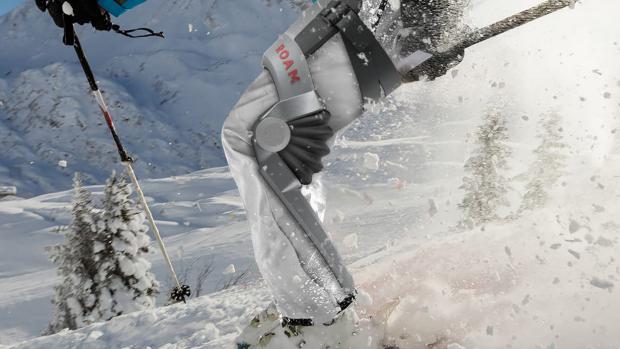
The suit has two parts, a backpack that provides power and processing, and two strap-on exoskeleton parts for the legs, intended to offer support to your knees and quads. You can use it for both skiing and snowboarding, Roam says, though this is still a prototype – the final design might look different to the pictures you see here.
Through a combination of sensors and software calculations, the exoskeleton adjusts torque at the knee to support what your legs are already doing, and the accompanying app for Android and iOS lets you adjust just how much help the exoskeleton offers. Roam says it's like having "intelligent shock absorbers" on your legs.
Roam suggests the device could help advanced skiers push through harder turns and recover from injury more quickly, while helping casual and elderly skiers stay out on the slopes for longer – the exoskeleton takes on some of the strain on the legs, meaning the usual limb fatigue or pain associated with a day's skiing takes longer to set in.