










Breaking News
 Ukrainian Intelligence Just Tried Its Own Version Of The Israeli Pager Attack
 Futures Mixed As America Votes, Apple Slides And Oil Rebounds After "Defensive" US Strike
 Second Wave Of Cyberattacks Paralyze Supermarket Fridges Across EU, Weeks After Gov'ts Urged...
 Alarming Abuse Identified In Secret Ukraine Azov Battalion Detainment & Forced Conscript...
Top Tech News
 PRP vs Exosomes vs Stem Cells: Which Fits Your Condition?
 SHOCKING: The Secret (Frantzve) Family Business
 Microreactor Gets DOE Approval for Full Power Testing, Previously Contracts with Army...
 Ford Fathom: Everything We Know About The Sub-$30,000 Affordable EV Truck
 Love it or loathe it, AI is birthing a golden age of science
 SpaceX has no competition -- Saurav Shroff, Starpath
 Living computers forge a 'hive mind' and work together to outsmart AI
 The Faraday duffle bag: A digital lifeline in a surveillance-saturated world
 Delivery Robots Accused Of Scanning Customers' Faces, Sharing Biometric Data
 FDA-Approval for Drill-Free Cavity Care May Be Imminent After Great Phase 3 Treatment Trial



Can Trump Get America Out of Afghanistan?
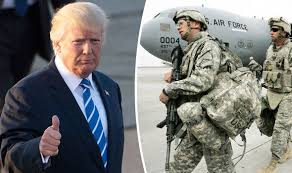
Last week the White House ordered its top diplomats to seek direct negotiations with the Taliban, the latest foreign relations about-face from an administration that seems to be specializing in them. After early escalation and record-setting bombs , President Trump is looking for a way out of Afghanistan. The Taliban is far from defeated, but negotiations may offer America a means to ending our participation in an intractable war in an irrelevant country.
Earlier this month, during a surprise trip to Kabul, Secretary of State Mike Pompeo made the claim that the Taliban "cannot wait us out." Evidence suggests otherwise.
The Taliban are not losing on the battlefield. Though American troop levels are up 25 percent since 2016 and we are dropping more bombs in the country than at any time since 2013, the war remains in a stalemate.