










Breaking News
 It's Starting: The Fall of Europe
 More War With Iran? Prepare For Even Higher Prices
 The Wattcycle Problem Isn't What I Thought
 A 17% Inflation Pace Just Showed Up in the PPI Report
Top Tech News
 Genetically Engineered War Dogs for 134 Pound Cyborg Dire Wolves Now – Later 600 Pound Wolves
 They're Quietly REPLACING Our Food With THIS… And Nobody Is Talking About It!
 Chicago Opens First "Teacher-Free" AI School as Global Push Accelerates
 Solar Panels Are Doing Something Nobody Expected
 DeLorean climbs skyward to race electric flying cars
 Atari's 800XL returns with a keyboard, cartridges and BASIC
 Bioinspired robot airdrops into remote waters via morphing wing-sail
 Anduril interceptor adapts to emerging threats via swappable stages
 I Built a Website to Expose Solar and Battery Scams
 Whistleblower Issues Dire Warning: Rogue AI, Hacking Nuclear Programs...



Prepper Gardens - Vertical Expansion
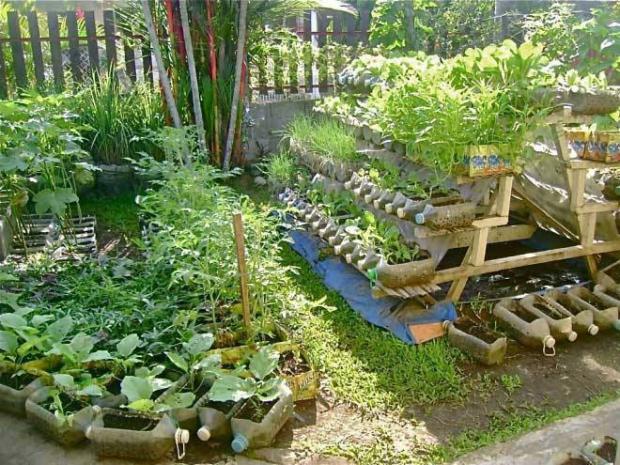
The ability to make use of vertical space can not only increase our productivity per square foot, but in some cases also make gardening easier on the back and knees.
Pro's & Con's
With a few notable exceptions, most vertical growing options share drawbacks and benefits. You have to build something, and you have to supply dirt. You also typically have to water more often and provide more fertilizer. However, it eliminates the need for a tiller. It also allows us to make use of limited space with narrow footprints.