










Breaking News
 Something Is VERY WRONG With Silver
 What The Hell Is Going On With Beef? | Brooke Rollins #505 | The Way I Heard It
 WARNING: U.S. Mint Is SUSPENDING Silver Dealers
 Trump Just Admitted Unthinkable Dollar Reset (Most Don't Understand the Plan)
Top Tech News
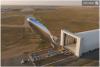 Flying cell tower beams phone signal to Japan from 10 miles up
 Chinese Commercial Reactor Achieves Nuclear Fusion with Clean Hydrogen-Boron Fuel
 Med Beds Just Took a MASSIVE Step Forward, Healing People in Days!
 Palmer Luckey: Autonomous Weapons Are Ancient and Why Anduril Won't Build Humanoids | EP #295
 A laser just photographed objects through six feet of concrete
 Elon Musk's Next-Gen Motor Destroy Entire EV Industry
 China's disputed satellite refueling heralds new space war era
 BYD Will Put Solid-State Batteries In An EV Next Year: Executive
 FDA-cleared exoskeleton puts spinal-cord patients back on their feet
 Your Robotic Vacuum Is Watching You -- Could It Someday Testify Against You in Court?



Robot boat sails into history by finishing Atlantic crossing
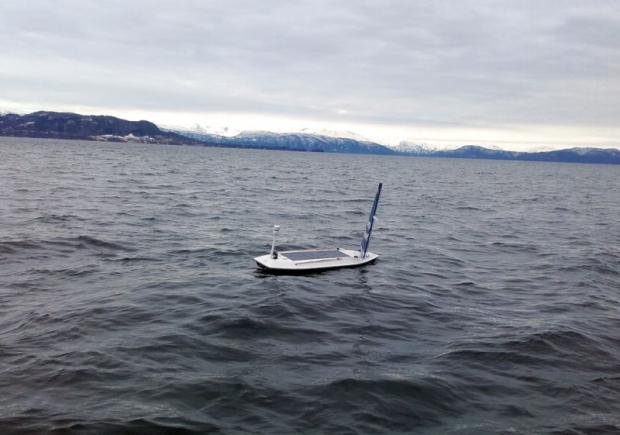
The SB Met, built by Norwegian company Offshore Sensing AS, reached the finish line of the Microtransat Challenge for robotic boats on Aug. 26, two and a half months after setting off from Newfoundland, according to preliminary data.
It's a milestone that shows the technology for unmanned boats is robust enough to carry out extended missions that can dramatically cut costs for ocean research, border security, and surveillance in rough or remote waters. They're part of wider efforts to develop autonomous marine vessels such as robotic ferries and cargo and container ships that could be operating by the end of the decade, outpacing attempts to commercialize self-driving cars.