










Breaking News
 Socialism Is Pure Inefficiency
 Monday War Room Live: Israel Moves Against Christians In West Bank, As False Flag...
 Podcast – Shannon Joy – From Deplatformed to Defiant: Building Local Resistance Networks
 Jersey Shore Residents Step Up Fight To Keep Verizon 5G Towers Off Beachfront
Top Tech News
 Tesla Model 3 killer charges from 10 to 97% in just 9 minutes
 World-first unpowered DNA computer sets speed record
 I Power 5 Buildings Off-Grid. Here's How
 The US government is pushing hard to get a working nuclear fission reactor into space by late 2028
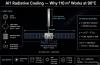 SpaceX Starmind AI in Space Radiator
 China Will Dominate Global Nuclear Energy Through 2035, Analyst Says
 These Absolutely Wild-Looking EVs Are Saudi Arabia's First Homegrown Cars
 BEYOND THE MOON: NASA plans a nuclear-powered fleet to push DEEPER into space
 Big Oil Backs Mazama's $135 Million Bet On Superhot Geothermal
 Quantum compass takes flight on Northrop's Lumberjack drone


SIRIN LABS Releases $999 Blockchain Phone: 'FINNEY'
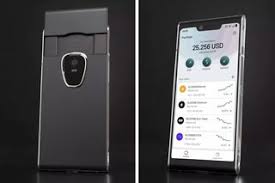
The FINNEY phone came out today at a launch event in Barcelona.
The $999 phone is the first of its kind, integrating blockchain technology at its core in order that its users may can securely use blockchain products. The product aims to address issues that cryptonaughts face in mobile computing, particularly those related to securely transacting, and it is the latest in a projected long line of offerings from the makers of SOLARIN.
The phone runs on SirinOS, which is a fork of Android with the express intention of more deeply integrating blockchain capabilities and a decentralized application ("dApp") marketplace. It sports a secondary screen called a "safe screen" which is two inches in size and allows the user to securely access a built-in cold storage wallet. In shape and design, it is not unlike the SOLARIN.
SirinOS will not be limited to the FINNEY, as SIRIN LABS said in their launch statement today that they are "also looking for strategic OEMs to implement SIRIN OS™ in additional consumer devices." This means that the launch could attract interest from other phone manufacturers like ASUS, Motorola, or Huawei. HTC has already announced its own intentions to bring a phone to market, but they also have a history of supporting multiple operating systems, having at one time had both a popular Windows phone and several Android phones on the market. Dedicated HTC users have even managed to get Blackberry's operating system running on the hardware.
Sirin simultaneously launched a "concept store" in London which will double as an educational hub for users. That is: people who buy this phone for its other features (such as security and competitive design) will be able to have all their questions answered at this place. The pre-launch website bills an "incentivized learning" platform or "learn and earn." The description amounts to a blockchain-based Apple Genius Bar.
In anticipation of SirinOS, the FINNEY Phone, and the stores being launched, the SRN token has been available for some time on several exchanges. It is described as a "utility token" which acts as the cornerstone of the presented ecosystem. Exactly what role it plays was outlined in their March release of the whitepaper: