










Breaking News
 Why Do We Pay Farmers to Grow Food Nobody Eats? | Joel Salatin
 The Specter of Economic Death: Algorithmic Ostracism and the Dissolution of Financial...
 Doctors Call on RFK Jr. to Withdraw Moderna mRNA Flu Vaccine After Review of FDA Data Shows...
 "Insane Panic Has Begun..." - Martin Armstrong
Top Tech News
 Terrifying AI Behavior Even Its Creators Couldn't Explain
 WW3 Near-Miss? AI Hallucinated Nuclear Weapons Components Aboard Chinese Vessel Bound For Iran
 Stripe Is Building the Toll Road for the Machine Economy
 Toyota Dakar hopeful swaps twin-turbo V6 for hydrogen fuel cells
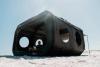 4-min turbo-inflatable cubic camp castle is now available in the USA
 Researchers Used Claude To Hack OpenAI Employee Accounts
 Chinese Scientists Develop New Oil Refining Method That Cuts Energy Use by 90%
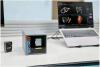 World's smallest CT scanner fits in the palm of your hand
 The Tesla Roadster will blow people's minds
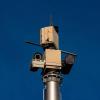 Peter Thiel-Funded Company Anduril to Triple the Number of Autonomous Surveillance Towers...



Putin's robo-nauts prepare for lift-off: Russia's space agency releases eerie footage of...
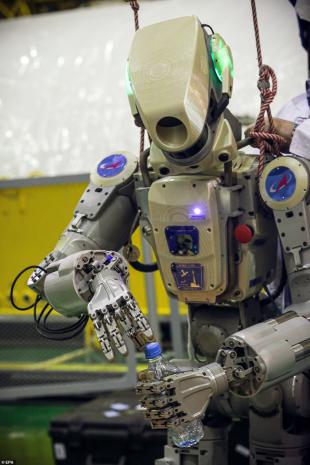
Russia's space agency has released eerie footage of its human-like android which will board the International Space Station next week.
Nicknamed Fedor - which stands for Final Experimental Demonstration Research - the anthropomorphous machine was seen undergoing a battery of stress-tests at the Baikonur Cosmodrome in Kazakhstan.
Dubbed Putin's robo-naut, the machine can be seen determining targets and honing in on specific points, such as steering wheels, which will surely come in handy while they're in orbit.
The scenes come ahead of its inclusion on the unmanned Soyuz MS-14 spacecraft on 22 August 2019.
Fedor stands 6-foot tall, weighs no less than 233 pounds depending on extra equipment, and can lift up to 44 pounds of cargo.
The robot can 'crawl, stand up after falling down, take and leave driver's seat in a car, use tools and operate in a regular building'.