










Breaking News
 Why Do We Pay Farmers to Grow Food Nobody Eats? | Joel Salatin
 The Specter of Economic Death: Algorithmic Ostracism and the Dissolution of Financial...
 Doctors Call on RFK Jr. to Withdraw Moderna mRNA Flu Vaccine After Review of FDA Data Shows...
 "Insane Panic Has Begun..." - Martin Armstrong
Top Tech News
 Terrifying AI Behavior Even Its Creators Couldn't Explain
 WW3 Near-Miss? AI Hallucinated Nuclear Weapons Components Aboard Chinese Vessel Bound For Iran
 Stripe Is Building the Toll Road for the Machine Economy
 Toyota Dakar hopeful swaps twin-turbo V6 for hydrogen fuel cells
 4-min turbo-inflatable cubic camp castle is now available in the USA
 Researchers Used Claude To Hack OpenAI Employee Accounts
 Chinese Scientists Develop New Oil Refining Method That Cuts Energy Use by 90%
 World's smallest CT scanner fits in the palm of your hand
 The Tesla Roadster will blow people's minds
 Peter Thiel-Funded Company Anduril to Triple the Number of Autonomous Surveillance Towers...



Supercharging the Band-Aid:
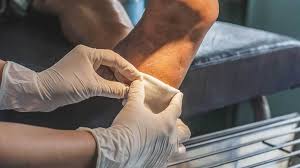
Today's bandages are pretty good at covering up wounds, sealing them off from infectious bacteria and allowing the body to go to work patching up the damage. But could there come a time when bandages play more of an active role in accelerating healing and fighting infection, so we can peel them off and get on with our lives sooner? A number of research groups around the world have already produced promising experimental versions of futuristic bandages that could take our healing game to the next level. Here's a look at some of the more interesting examples.