










Breaking News
 Trump: Houthis 'Don't Want' US In Yemen - So They're Letting Most Red Sea Shipping T
 China's 70% EV Target Deals Another Blow To Oil Demand
 Making The World Great One Nation At A Time
 Florida's Attorney General Sues Netflix For Allegedly Harvesting, Selling Children's Data
Top Tech News
 NASA Super Light Solar Sail Project Will Be 12-40 Times Lighter and Faster
 Space Telescope Interferometer to Image Exoplanet Continents
 Twenty-five years of "temporary": how 9/11 built a surveillance state Americans never vote
 I'll Never Buy Another WALMART Battery!
 Shoei GT-Air 3 Smart helmet drops with built-in AR for $1,500
 Freezable titanium plate keeps your cooler chilled way longer than ice packs
 Review: Affordable thermal device is made for discovering life outdoors
 AI Whistleblower Tells Tucker How AI Could Kill All Humans by 2040
 You Hate Flock? Well There's More...
 Will Spiking Diesel Prices Drive Autonomous Trucking?



China gene-edited baby experiment 'may have created unintended mutations'
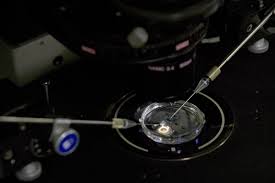
The gene editing performed on Chinese twins to immunise them against HIV may have failed and created unintended mutations, scientists have said after the original research was made public for the first time.
Excerpts from the manuscript were released by the MIT Technology Review to show how Chinese biophysicist He Jiankui ignored ethical and scientific norms in creating the twins Lula and Nana, whose birth in late 2018 sent shockwaves through the scientific world.
He made expansive claims of a medical breakthrough that could "control the HIV epidemic", but it was not clear whether it had even been successful in its intended purpose – immunising the babies against the virus – because the team did not in fact reproduce the gene mutation that confers this resistance.
A small percentage of people are born with immunity because of a mutation in a gene called CCR5 and it was this gene that He had claimed to have targeted using a powerful editing tool known as Crispr which has revolutionised the field since 2012.