










Breaking News
 Trump ARRESTS Deep State Agents, ITS HAPPENING
 What Is Another Round of Bombing in Iran Actually Going to Achieve?
 Israeli Quadcopter Drones Set Fire to Gaza Tent Camp, Displacing 800 Palestinians
 CNN: US Forces Ready To Launch Major Attacks Against Iran Within 96 Hours of Receiving...
Top Tech News
 $10k EV hatch packs in 5-minute flash charging
 Apex Recordhunter electric drone sets unofficial speed record
 Space-age manna: USAF & SpaceX drop survival kit from orbit
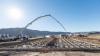 World's first nuclear fusion power plant coming to WA | FOX 13 Seattle
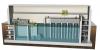 Advanced Small Modular Reactors (SMRs)
 A U.S. energy startup has demonstrated a new type of nuclear reactor that uses existing nuclear...
 BREAKING: NIH-FUNDED MAD SCIENTISTS HAVE CREATED A HUMANOID ROBOT CONTROLLED...
 Modular phone promises total privacy at the flick of a switch
 Genetically Engineered War Dogs for 134 Pound Cyborg Dire Wolves Now – Later 600 Pound Wolves
 They're Quietly REPLACING Our Food With THIS… And Nobody Is Talking About It!



Boston Dynamics' Robot Dog Starts New Work On BP Oil Rig
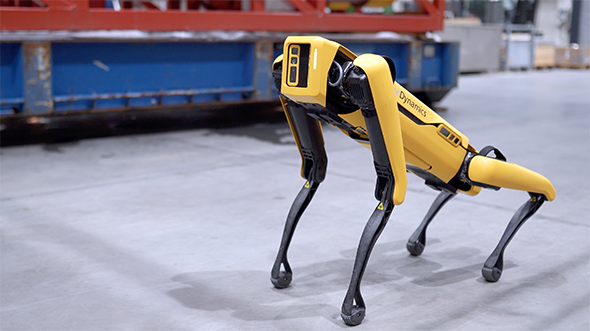
June was the month when Boston Dynamics began selling Spot. By July, Ford Motor Company received the robot dog, equipped with five cameras to survey its Van Dyke Transmission Plant in Michigan.
Ford employed the four-legged robot over human surveyors to save money and time. The Michigan-based automobile manufacture isn't the only company embracing robot dogs to complete mundane tasks generally performed by humans. Reuters notes BP Plc has programed Spot to "read gauges, look for corrosion, map out the facility, and even sniff out methane on its Mad Dog rig."
Adam Ballard, BP's facilities technology manager, said the robot dog would make working on an offshore oil rig safer by reducing the number of people. He said the tasks Spot would be assigned will free up personnel to focus on other mission-critical assignments.
"Several hours a day, several operators will walk the facility; read gauges; listen for noise that doesn't sound right; look out at the horizon for anomalies, boats that may not be caught on radar; look for sheens.
"What we're doing with Spot is really trying to replicate that observation piece," Ballard said, adding that an operator could then review the information from a central location.
"We believe a lot of that up-front, remote work preparation can be done with a remotely-controlled robot... being able to pan, tilt, zoom and really understand the entire area in real conditions, real-time," he said.
BP hopes Spot's ability to gather data on oil rigs will cut down human personnel throughout rigs located in the Gulf of Mexico.
We're sure other companies will follow Ford or BP in the rush to automate their workforce under the cover of the virus pandemic.