










Breaking News
 America's Wile E. Coyote Moment
 Guinness Pulls Plug On Baltimore Brewery As Costs Soar In Democrat-Run State Amid Consumer...
 Backlash Rolls In After Rutgers Womxns Rugby Name Change Welcomes Men Who Identify...
 Pentagon Raises Combat Pay For First Time Since 2002 As Iran War Persists
Top Tech News
 SHOCK CASE REPORT: Advanced Alzheimer's Patient Regains Speech, Memory, Mobility...
 Most artificial limbs rely on silicone or plastic to mimic human hands.
 Flying cell tower beams phone signal to Japan from 10 miles up
 Chinese Commercial Reactor Achieves Nuclear Fusion with Clean Hydrogen-Boron Fuel
 Med Beds Just Took a MASSIVE Step Forward, Healing People in Days!
 Palmer Luckey: Autonomous Weapons Are Ancient and Why Anduril Won't Build Humanoids | EP #295
 A laser just photographed objects through six feet of concrete
 Elon Musk's Next-Gen Motor Destroy Entire EV Industry
 China's disputed satellite refueling heralds new space war era
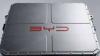 BYD Will Put Solid-State Batteries In An EV Next Year: Executive



New Tech Makes Perishable Food Last For Months Without a Fridge, Helping Farmers and the Planet
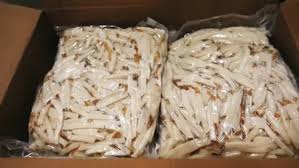
Poised to cut down on the millions of tons of food waste worldwide, it also has the potential to transform agriculture in developing countries where refrigerated shipping containers and trains are rare or expensive.
Have you ever wondered why we don't devote more cropland to growing fruits and vegetables instead of grain since they're much more nutritious? The reason is food spoilage, a problem that costs $14 billion in waste in India alone.
As soon as a harvest is reaped, a clock begins to tick until oxygen damage and bacteria render a product inedible. Farther Farms' proprietary CO2 pasteurization technology is a simple fix that can prolong packaged foods' shelf life in room temperature past 90 days.
Their first demonstration, French fries, would normally need to be frozen to survive trips between production facilities and supermarkets. They can't be pasteurized like other goods, since the rapid heating with steam would turn them into mush.