










Breaking News
 Facilitating Wholesale Digital Asset Settlement
 October 7th special with PROJECTPENS.org on Ben Swann's "America Now"
 Paris is on fire as rioters take over across France
 Trump Refuses Iran's Offer To Bail Out His Presidency
Top Tech News
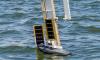 Bioinspired robot airdrops into remote waters via morphing wing-sail
 Anduril interceptor adapts to emerging threats via swappable stages
 I Built a Website to Expose Solar and Battery Scams
 Whistleblower Issues Dire Warning: Rogue AI, Hacking Nuclear Programs...
 Multi-material insulation delivers up to 10,000 x the stiffness
 Anduril's plan to save US sub edge from China's undersea surge
 Researchers Develop AI 'Mind-Reading' Tool That Reconstructs What Your Eyes See
 Video: Dexterous robot hand learns the delicate art of silk embroidery
 The computer that can read your mind:
  Seven apps. One craft


Elon Musk is helping reconnect Tonga to the internet using SpaceX Starlink satellites...
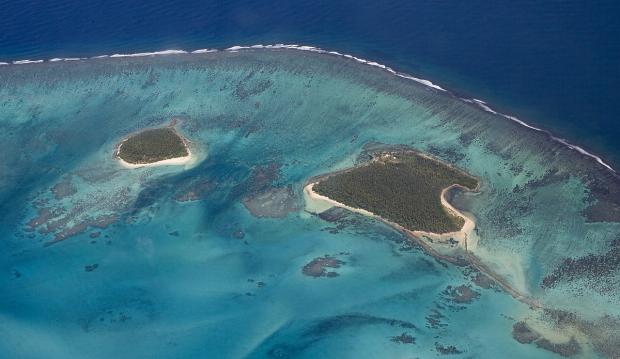
Islanders have been without access to the web for three weeks, after officials found repairing the undersea cables was proving more difficult than first thought, and is unlikely to be repaired until the end of next week.
It was severed after the Hunga Tonga eruption and tsunami hit the islands on January 15 - it led to the death of at least three people, and wiped out several small settlements.
To make things harder, the island has also gone into a Covid-19 lockdown, after the virus was brought in by foreign military crews on ships delivering aid.
SpaceX is in nearby Fiji establishing a station that would reconnect Tonga via its network of almost 2,000 low Earth orbit internet satellites.
Musk had previously shown interest in helping Tonga get back on line, asking on Twitter a week after the eruption whether people in the island want a Starlink terminal.
The tsunami severed the sole fiber-optic cable that connects Tonga to the rest of the world and most people remain without reliable connections.
SpaceX Starlink works by creating a mesh network in orbit, that users within the range of these satellites can connect to using a specialist dish and terminal.