










Breaking News
 They're Gonna Steal Your Savings to Force Digital Currency
 Julian Assange Is Back -- Here's What That Means
 Bright Videos News, Sep 25, 2026 - Global Energy Sabotage, Retardageddon...
 Covert Pentagon Propagandists Are Tracking Anti-War Americans, Skirting The Law
Top Tech News
 Tesla Model 3 killer charges from 10 to 97% in just 9 minutes
 World-first unpowered DNA computer sets speed record
 I Power 5 Buildings Off-Grid. Here's How
 The US government is pushing hard to get a working nuclear fission reactor into space by late 2028
 SpaceX Starmind AI in Space Radiator
 China Will Dominate Global Nuclear Energy Through 2035, Analyst Says
 These Absolutely Wild-Looking EVs Are Saudi Arabia's First Homegrown Cars
 BEYOND THE MOON: NASA plans a nuclear-powered fleet to push DEEPER into space
 Big Oil Backs Mazama's $135 Million Bet On Superhot Geothermal
 Quantum compass takes flight on Northrop's Lumberjack drone


Sleek T-frame home unfolds in 5 hours, is quake/tornado proof
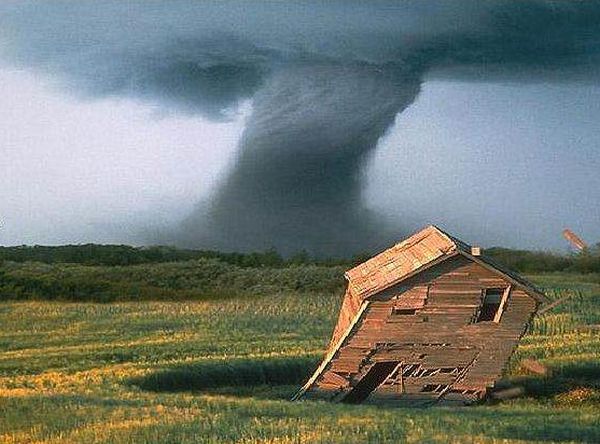
The wooden houses are prefabricated, loaded onto trucks for transport and unfolded on site in hours (adding the windows, drywall and interior finishings takes about two weeks).
The first design was the Model A (an A-frame), but the company soon released the Model-T (for "trapezoid") to gain more space on the second floor. There is no need for a concrete foundation since the homes can be placed on screw piles. The homes begin around 51 (550 square feet) and can grow depending on how many modules one purchases. The only limitation is the modules need to be placed in line, so the company suggests stopping at the "villa" size of 127 square meters (1367 square feet). The units are prefabbed with a selection of cladding, roofing and flooring.
The homes can also be folded back up and moved, as easily as they unfold, making it possible to reuse them at a new location. The hinge system construction also provides flexibility in the home during an earthquake, allowing it to "disperse the energy of earth tremors" and weather seismic phenomena.