










Breaking News
 Is Big Pharma Selling Postpartum Depression to New Moms?
 Make Men Men Again: Low T Is Now a National Defense Problem
 Druski: They're Lying To You About Overnight Success!
 $6.27 Diesel Just Hit Harvest. The Grocery Aisle Hasn't Felt It Yet.
Top Tech News
 Tesla Model 3 killer charges from 10 to 97% in just 9 minutes
 World-first unpowered DNA computer sets speed record
 I Power 5 Buildings Off-Grid. Here's How
 The US government is pushing hard to get a working nuclear fission reactor into space by late 2028
 SpaceX Starmind AI in Space Radiator
 China Will Dominate Global Nuclear Energy Through 2035, Analyst Says
 These Absolutely Wild-Looking EVs Are Saudi Arabia's First Homegrown Cars
 BEYOND THE MOON: NASA plans a nuclear-powered fleet to push DEEPER into space
 Big Oil Backs Mazama's $135 Million Bet On Superhot Geothermal
 Quantum compass takes flight on Northrop's Lumberjack drone


DEADLY chemical herbicide GLYPHOSATE gets DOUSED onto U.S. wheat, barley, rye and beans...
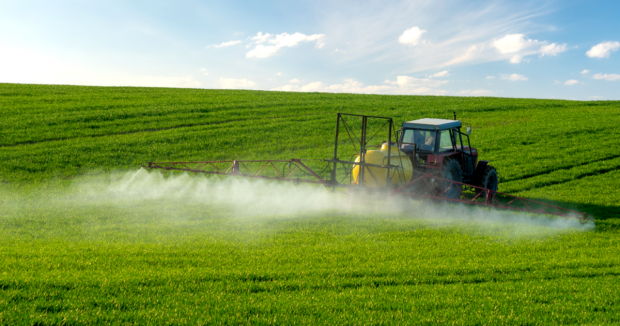
Most Americans are completely unaware of the widespread use of glyphosate, the active ingredient in Monsanto's Roundup weed killer, as a pre-harvest tool on various crops. This practice, known as desiccation, is raising serious concerns over the potential health impacts of glyphosate residues in food products.
Glyphosate, long criticized for its potential cancer-causing properties, has been classified as a probable carcinogen by the World Health Organization. In addition to its carcinogenic effects, studies have shown that glyphosate acts as an endocrine disruptor and can severely damage beneficial gut bacteria, DNA, and even cause birth defects in animals (remember that humans are animals too).
The alarming reality, however, is that farmers often spray glyphosate on crops such as wheat, oats, rye, barley, and beans right before harvest. This practice, which originated in Scotland in the 1980s, has since spread globally, particularly in regions with wetter climates like the Upper Midwest of the United States and provinces in Canada.
The primary goal is to speed up the drying process, enabling earlier harvesting plus preventing mold and mildew in the silos. This practice, known as desiccation, is raising serious concerns about the potential health impacts of glyphosate residues in food products. Who cares about human health and if babies get birth defects from it, right? It's all about the bottom line and profits when it comes to corporate food in America.
Glyphosate sprayed on crops before harvest can cause birth defects in human babies and many types of cancer in children, teens, and adults
Charles Benbrook, a renowned agricultural expert, recently shared his thoughts on the widespread use of glyphosate as a pre-harvest tool on various crops. The revelation has sent shockwaves through the agricultural and health communities, raising serious concerns about the potential health impacts of glyphosate residues in food products.