










Breaking News
 Senators Say Trump Admin Is Illegally Sitting On Secret Court Ruling About Warrantless Spying
City by City Being Eaten Alive by Third World Immigration in America
 "Doomsday": U.S. Military Planning To Survive 90 Days Without Power Grid
 Former DOGE Staffers Hacked Into Anthropic's Internal Systems In 12 Hours...
Top Tech News
 Modular phone promises total privacy at the flick of a switch
 Genetically Engineered War Dogs for 134 Pound Cyborg Dire Wolves Now – Later 600 Pound Wolves
 They're Quietly REPLACING Our Food With THIS… And Nobody Is Talking About It!
 Chicago Opens First "Teacher-Free" AI School as Global Push Accelerates
 Solar Panels Are Doing Something Nobody Expected
 DeLorean climbs skyward to race electric flying cars
 Atari's 800XL returns with a keyboard, cartridges and BASIC
 Bioinspired robot airdrops into remote waters via morphing wing-sail
 Anduril interceptor adapts to emerging threats via swappable stages
 I Built a Website to Expose Solar and Battery Scams


Science confirms: Plum polyphenols can selectively target malignant cancer cells while sparing...
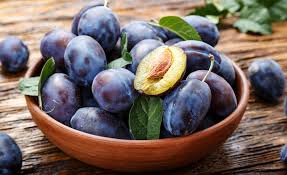
Recent oncology studies reveal that plum-derived chlorogenic and neochlorogenic acids don't simply mop up free radicals. They act as bioactive signaling molecules, reprogramming cancer cell fate. Mechanisms documented in vitro and in vivo: • Mitochondrial apoptosis: Collapse of membrane potential (ΔΨm), cytochrome c release, and caspase-3/9 activation. • Death receptor activation: Fas/FasL signaling triggers extrinsic apoptosis. • ROS modulation: Tumor-selective oxidative stress overwhelms malignant cells, while normal cells remain protected. • Cell cycle arrest: Inhibition of CDK4/6 and cyclin D1 halts proliferation at G0/G1 and G2/M. • Gene regulation: Downregulation of Bcl-2, NF-κB, AKT/mTOR; upregulation of p53, Bax, and caspase cascades. • Anti-metastatic activity: VEGF suppression and reduced MMP-2/9 activity, limiting angiogenesis and invasion. The striking detail: IC50 values show selective cytotoxicity—plum polyphenols kill malignant cells at concentrations that leave healthy epithelial cells largely unharmed. This therapeutic precision is something chemotherapy rarely achieves. This is not "antioxidant housekeeping." This is molecular code embedded in fruit, restoring order where cancer breaks it.