










Breaking News
 Rising Prices and Falling Values--Inflation and Social Decay
 The non-Zionist Israeli Population Could Save the Day
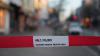 AfD Launches 'Knife App' As Berlin Violence Surges
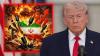 Oil Prices EXPLODE After Trump Signals That US Is Moving To Wartime Economy
Top Tech News
 DARPA O-Circuit program wants drones that can smell danger...
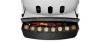 Practical Smell-O-Vision could soon be coming to a VR headset near you
 ICYMI - RAI introduces its new prototype "Roadrunner," a 33 lb bipedal wheeled robot.
 Pulsar Fusion Ignites Plasma in Nuclear Rocket Test
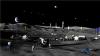 Details of the NASA Moonbase Plans Include a Fifteen Ton Lunar Rover
 THIS is the Biggest Thing Since CGI
 BACK TO THE MOON: Crewed Lunar Mission Artemis II Confirmed for Wednesday...
 The Secret Spy Tech Inside Every Credit Card
 Red light therapy boosts retinal health in early macular degeneration
 Hydrogen-powered business jet edges closer to certification


The Last Line of Defense: Why America's sheriffs are the last barrier against tyranny
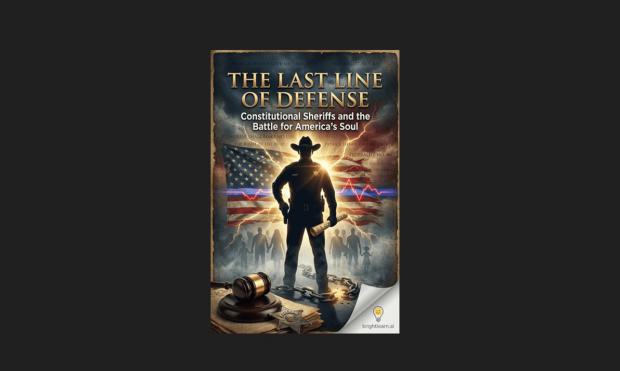
These men and women, sworn to uphold the Constitution, are stepping forward as the last line of defense against tyranny. "The Last Line of Defense: Constitutional Sheriffs and the Battle for America's Soul" explains the vital role of sheriffs in this crusade.
Their duty isn't to politicians or federal bureaucrats, but to the people who elected them – and to the sacred oath they took before God to defend liberty against all enemies, foreign and domestic. The role of the sheriff is unique in American law enforcement. Unlike federal agents or state police, sheriffs are elected by the people, accountable to the people and vested with the highest legal authority in their counties.
Their power isn't granted by Washington – it's rooted in over a thousand years of English common law and enshrined in the U.S. Constitution. When federal agencies attempt to enforce unconstitutional mandates, it's the sheriff who stands between the people and government overreach.
Consider the Wuhan coronavirus (COVID-19) lockdowns, when governors and federal agencies tried to shut down churches, close businesses and strip away basic freedoms. Sheriffs like Dar Leaf in Wisconsin refused to enforce these orders, recognizing them as unconstitutional. They didn't just talk about rights – they acted on them.
Similarly, sheriffs in Oregon, California and Michigan declared they would not be tools of oppression. They understood something fundamental: When government claims the power to suspend the Bill of Rights, it's not just wrong – it's dangerous.
The same principle applies to the Second Amendment. When states like New York or New Jersey pass laws that effectively ban law-abiding citizens from owning firearms, constitutional sheriffs like Tony DeMeo in New York refuse to comply.
DeMeo declared his county a "Second Amendment sanctuary," rejecting measures that violate the right to keep and bear arms. That's not defiance – it's leadership. It's the sheriff doing what he was elected to do: Protect the people from those who would take their rights away.
Federal law isn't always supreme
Some argue that federal law always supersedes state or local law, but that's a myth – and a dangerous one. The Constitution's Supremacy Clause states that federal law is the "supreme law of the land" only when it's constitutional. When federal law violates the Constitution, it isn't supreme – it's void.