










Breaking News
 The Original 'John Ag' - Silver and Gold News
 XAI Launches Grok 4.20 and it Has 4 AI Agents Collaborating
 Urban Farm Shops Combine Dutch Greenhouse Technology and Food-Retail into One
 Exposed: The Secret Reason 84% of Americans are Being Ignored. The TRUTH Behind The SAVE Act
Top Tech News
 New Spray-on Powder Instantly Seals Life-Threatening Wounds in Battle or During Disasters
 AI-enhanced stethoscope excels at listening to our hearts
 Flame-treated sunscreen keeps the zinc but cuts the smeary white look
 Display hub adds three more screens powered through single USB port
 We Finally Know How Fast The Tesla Semi Will Charge: Very, Very Fast
 Drone-launching underwater drone hitches a ride on ship and sub hulls
 Humanoid Robots Get "Brains" As Dual-Use Fears Mount
 SpaceX Authorized to Increase High Speed Internet Download Speeds 5X Through 2026
 Space AI is the Key to the Technological Singularity
 Velocitor X-1 eVTOL could be beating the traffic in just a year



Iran's Comprehensive Peace Proposal to the United States
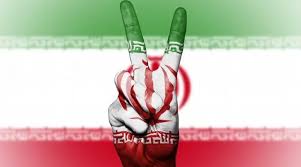
History occasionally presents moments when the truth about a conflict is stated plainly enough that it becomes impossible to ignore. Iranian Foreign Minister Abbas Araghchi's February 7 address in Doha, Qatar (transcript here) should prove to be such a moment. His important and constructive remarks responded to the US call for comprehensive negotiations, and he laid out a sound proposal for peace across the Middle East.
Last week, US Secretary of State Marco Rubio called for comprehensive negotiations: "If the Iranians want to meet, we're ready." He proposed for talks to include the nuclear issue, Iran's military capabilities, and its support for proxy groups around the region. On its surface, this sounds like a serious and constructive proposal. The Middle East's security crises are interconnected, and diplomacy that isolates nuclear issues from broader regional dynamics is unlikely to endure.