










Breaking News
 Alex Jones Live: Zelensky Goes To War With Trump, Launches Biggest Attack Yet On Russian...
 Dr. Oz Reveals What's Really Making Americans Sick...- SF764
 Pentagon Confirms Hasan Execution To Be Hosted By Ryan Seacrest
 The Surprise Issue that May Swing Ohio and Michigan Is Data Centers
Top Tech News
 Anduril's plan to save US sub edge from China's undersea surge
 Researchers Develop AI 'Mind-Reading' Tool That Reconstructs What Your Eyes See
 Video: Dexterous robot hand learns the delicate art of silk embroidery
 The computer that can read your mind:
 Seven apps. One craft
 SHOCK CASE REPORT: Advanced Alzheimer's Patient Regains Speech, Memory, Mobility...
 Most artificial limbs rely on silicone or plastic to mimic human hands.
 Flying cell tower beams phone signal to Japan from 10 miles up
 Chinese Commercial Reactor Achieves Nuclear Fusion with Clean Hydrogen-Boron Fuel
 Palmer Luckey: Autonomous Weapons Are Ancient and Why Anduril Won't Build Humanoids | EP #295



The "Lazy" Garden That Waters Itself For 20 Years - Why Did We Forget It?
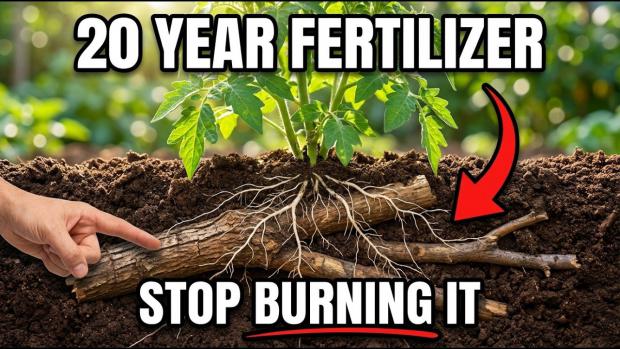
While you're spending $100 on toxic fertilizers, smart growers are using these 7 free methods to triple their yields. Get the $0 Harvest Blueprint here: https://forbiddenofficial.de/roots
Every autumn, millions of gardeners and landowners burn brush piles that could quietly feed their soil for decades. This video explores the forgotten practice of hügelkultur—burying wood beneath soil to create self-watering, self-fertilizing garden beds that last up to 20 years. Long before irrigation systems, chemical fertilizers, and flat mechanized fields, farmers understood something modern agriculture forgot: rotting wood is a reservoir.
High in the Austrian Alps, one farmer defied regulations, buried logs instead of burning them, and grew lemons, grapes, and kiwis in the snow—without hoses, without fertilizer, and without struggle.