










Breaking News
 Iran's mountain shelters offer Taiwan a China survival playbook
 Exposing the True Evils of the Uniparty: Soros Money, Surveillance, and the Rise of a Third Party
 18,000+ Kids Injected With Vaccines While Unconscious At Colorado Hospital
 58% Of Americans Get Their News From Four Left-Leaning Aggregators; Study Finds
Top Tech News
 Modular phone promises total privacy at the flick of a switch
 Genetically Engineered War Dogs for 134 Pound Cyborg Dire Wolves Now – Later 600 Pound Wolves
 They're Quietly REPLACING Our Food With THIS… And Nobody Is Talking About It!
 Chicago Opens First "Teacher-Free" AI School as Global Push Accelerates
 Solar Panels Are Doing Something Nobody Expected
 DeLorean climbs skyward to race electric flying cars
 Atari's 800XL returns with a keyboard, cartridges and BASIC
 Bioinspired robot airdrops into remote waters via morphing wing-sail
 Anduril interceptor adapts to emerging threats via swappable stages
 I Built a Website to Expose Solar and Battery Scams


Stop Guessing: When to Pressure Can vs. Water Bath Can
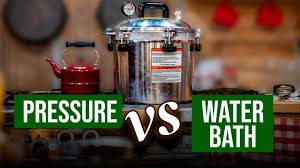
In this video, I'm walking you through the simple, clear difference between water bath canning and pressure canning so you can confidently choose the right method every time. Once you understand this, canning becomes so much less stressful.
I'll show you:
The difference between water bath canning and pressure canning
Why acidity matters for canning safety
Which foods are safe for water bath canning (high-acid foods)
Which foods must be pressure canned (low-acid foods)
The temperature differences that make each method safe
How to stop second-guessing yourself when you're canning
Water bath canning is what I use for high-acid foods like fruits, jams, jellies, and pickles. Pressure canning is what I use for low-acid foods like vegetables, meats, soups, and full meals.
Understanding this one distinction can completely change your confidence in the kitchen. You don't have to overthink it. You just match the food to the method.
If you're ready to start canning safely and filling your shelves with nourishing food for your family, this is a great place to start.