










Breaking News
 Trump On Iran: 'Lots Of Bombs Will Go Off' If No Agreement
 I Tested the Top 7 Salts for Toxins (Only 2 Passed)
 Is it possible to NOT pay federal income taxes legally?
 The Economic Destruction of Trump's War Goes Far Beyond High Gas Prices
Top Tech News
 Researchers Turn Car Battery Acid and Plastic Waste into Clean Hydrogen and New Plastic
 'Spin-flip' system pushes solar cell energy conversion efficiency past 100%
 A Startup Has Been Quietly Pitching Cloned Human Bodies to Transfer Your Brain Into
 DEYE 215kWh LiFePO4 + 125,000W Inverter + 200,000W MPPT = Run A Factory Offgrid!!
 China's Unitree Unveils Robot With "Human-Like Physique" That Can Outrun Most People
 This $200 Black Shaft Air Conditions Your Home For Free Forever -- Why Is It Banned in the U.S.?
 Engineers have developed a material capable of self-repairing more than 1,000 times,...
 They bypassed the eye entirely.
 The Most Dangerous Race on Earth Isn't Nuclear - It's Quantum.
 This Plasma Stove Cooks Hotter Than The Sun


Billionaire Grocery CEO Responds To Mamdani - THREATENS To Shut Down NYC Stores!
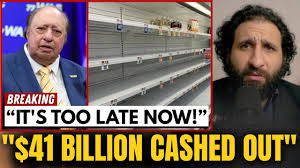
In this analysis, Professor Jiang breaks down the escalating conflict between Gristedes CEO John Catsimatidis and Mayor Zohran Mamdani over the launch of government-run grocery stores. The move, framed by the city as a solution to "food deserts" and rising inflation, has sparked a fierce debate over whether the government should directly compete with private industry using taxpayer subsidies.
Professor Jiang explores the history of Catsimatidis—who rose from a Harlem grocery clerk to a multi-billionaire mogul—and why he views the city's tax-free, rent-free supermarkets as an existential threat to the private grocery ecosystem. The discussion delves into the precarious "Iron Cage of Bureaucracy," where the very institutions meant to serve the public may be creating a "death spiral" of fiscal instability. With New York facing a multi-billion dollar budget gap and a looming credit downgrade, Professor Jiang questions the logic of spending tens of millions on single municipal stores while simultaneously proposing historic property tax hikes on the citizens they intend to help.
The analysis expands beyond the borders of Manhattan to reveal a growing national trend. From Chicago to Atlanta, major American cities are exploring similar models of "bureaucratic tyranny" in the marketplace. Professor Jiang argues that when the state steps in to replace private business, the long-term consequences—job losses, shrinking tax bases, and reduced financial flexibility—often outweigh the short-term promises of cheaper goods. It is a sobering look at what happens when political ideology meets the hard realities of urban economics, leaving working families caught in the middle.