










Breaking News
 Watch: Morano on Jesse Watters Primetime on Fox: 'Climate communists' are using fear...
 Investigation Launched After Listening Device Found in Former WEF Head Klaus Schwab's Home...
 WAR ROOM LIVE: Alex Jones Debates Sneako LIVE Right Now With Commentary From Harrison Smith...
 Trump's inner circle have shown me the real UFO disclosure:
Top Tech News
 DeepSeek Developing In-House AI Chip In Bid To Cut Nvidia Reliance
 America just took three brand-new nuclear reactors critical in thirty days, a first for any...
 Your brain doesn't peak in your 20s after all: Study reveals your mind is at its sharpest betwee
 Compasses, not maps: China is building a different type of AI
 The Return of the Ekranoplan
 Farewell, atom-smashing Large Hadron Collider
 This is already starting.
 The Crosley IcyBall
 It's Not a Conspiracy Anymore: Med Beds Exist and Trump Knows It
 A SINGLE dose of a newly discovered frog gut bacterium...


Iran ceasefire, now 'over', was always going to break
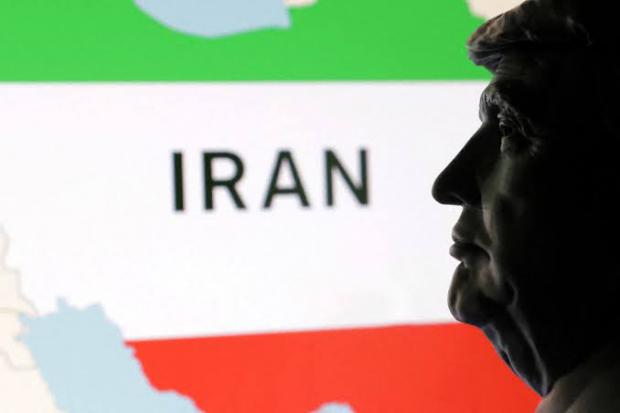
Less than a month after a ceasefire was signed between the US and Iran, conflict has returned to the Middle East.
The peace agreement Donald Trump signed at the palace of Versailles in France on June 18 – which he hailed as Iran's "unconditional surrender" – is now, in the US president's own words, "over."
I recently argued that the memorandum of understanding (MoU) between Washington and Tehran was best understood not as a peace agreement but as a "deferred crisis" – a ceasefire with a built-in detonator. That detonator has now gone off.
Trump's declaration that further talks with Tehran are "a waste of time", which he made on the sidelines of the NATO summit in Ankara, Turkey, on July 8, follows an escalation spiral that will feel grimly familiar to anyone following this conflict.
Iran attacked three commercial vessels in the Strait of Hormuz on Tuesday (July 7). The US responded with what one unnamed US official described as "punishment" strikes on more than 80 Iranian targets and reimposed sanctions on Iranian oil sales – stripping away Tehran's central gain from the deal.
Iran, in turn, launched retaliatory strikes on US military installations in Bahrain and Kuwait. Oil prices have surged, reviving the very economic pressure – rising prices at the American gas pump – that dragged Trump to the negotiating table in June.
None of this should come as a surprise. The agreement signed at Versailles did not resolve the contradictions that produced the war. It institutionalized them and inadvertently created the very conditions under which escalation becomes more likely.
The structural flaw in the ceasefire deal was visible from the outset. The MoU rested on Iran reopening the Strait of Hormuz in return for the lifting of sanctions on Iranian oil – almost the only lifeline sustaining the Iranian economy. But nothing in the agreement resolved the question of Lebanon.
Iran had made clear that one of its core objectives was to prevent further Israeli strikes against Hezbollah – an attempt to salvage its proxy network in the region. Israel, for its part, cannot permanently suspend its right to self-defense as the price of a US diplomatic agreement. Reports suggest the Israeli prime minister, Benjamin Netanyahu, was "fuming" over the MoU agreement, which Israel was not party to when it was drafted and signed.
This has produced the cycle now on full display: continued Israeli military action in Lebanon, Iran flexing its leverage over the Strait of Hormuz and US strikes on Iranian assets to save face – even as Washington pressures Israel to stand down. Each iteration intensifies the conviction in Tehran, Jerusalem and Washington that restraint is no longer a viable course of action.