










Breaking News
 Russia Hits Ukraine Power Plant Despite "Energy Ceasefire"
 Multi-material insulation delivers up to 10,000 x the stiffness
 Trump Just Started The Debt Spiral
 Look up...
Top Tech News
 Anduril's plan to save US sub edge from China's undersea surge
 Researchers Develop AI 'Mind-Reading' Tool That Reconstructs What Your Eyes See
 Video: Dexterous robot hand learns the delicate art of silk embroidery
 The computer that can read your mind:
 Seven apps. One craft
 SHOCK CASE REPORT: Advanced Alzheimer's Patient Regains Speech, Memory, Mobility...
 Most artificial limbs rely on silicone or plastic to mimic human hands.
 Flying cell tower beams phone signal to Japan from 10 miles up
 Chinese Commercial Reactor Achieves Nuclear Fusion with Clean Hydrogen-Boron Fuel
 Palmer Luckey: Autonomous Weapons Are Ancient and Why Anduril Won't Build Humanoids | EP #295



COVID Vaccine in Early Pregnancy Led to Higher Rates of Two Birth Defects
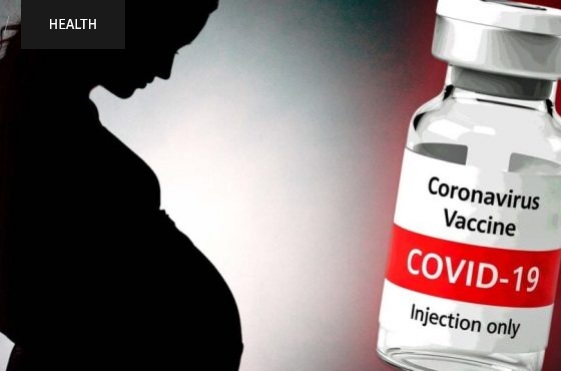
A new study from Iran found that two rare birth defects - atrioventricular septal defects (AVSD) and cleft palate - occurred more often in infants whose mothers received a COVID-19 vaccine during the first 12 weeks of pregnancy compared with mothers who received the vaccine later or not at all.
Unlike studies conducted in the U.S. and Europe, none of the women in the Iranian study received mRNA vaccines — however, all of the COVID-19 vaccines available in Iran contain 0.25-0.50 milligrams of aluminum adjuvant, Children's Health Defense Senior Research Scientist Karl Jablonowski told The Defender.
Shots containing aluminum are not typically recommended for pregnant women in their first trimester, Jablonowski said.