










Breaking News
 THE HUNGRY DECADE
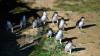 Bioterror Roundup: Vaccine Pimps Gone Wild, Aussie Penguins Vaxxed For Bird Flu
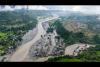 Just how many solar panels does it take to stop landslides in Nepal...
 Who Will Win the Trade War Between the US and Canada?
Top Tech News
 Singapore is experimenting with biological computing using living human neurons...
 It's Happening - Europe is Building an Impossible Fusion Reactor
 Portable 1MW Kaleidos Microreactor Secures Critical Nuclear Fuel Deal Through 2030s
 This New All-In-One Range Extender Is Ready To Go Into Any Electric Truck
 Aptera Reveals The Secret To Building Its Solar EV: China
 High-voltage sodium home battery emerges as affordable rooftop solar solution
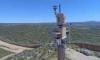 Peter Thiel-Funded Company Anduril to Triple the Number of Autonomous Surveillance...
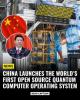 China has released Origin Pilot, claimed to be the world's first open-source operating system...
 ShieldAI XBAT Drone Fighters Can Give A Fighter Drone Wing to Every US Destroyer
 Brain organoids, kept alive more than five years, matured like human brains



Bear trap: Russia is running out of good options in Ukraine
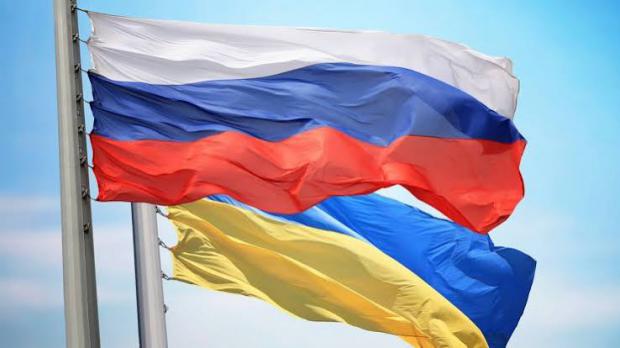
Russia is not about to collapse. It still occupies a large part of Ukraine, continues to fire hundreds of drones and missiles at Ukrainian cities, and retains an enormous advantage in population and resources over its smaller neighbor.
Yet four and a half years after Vladimir Putin launched his full-scale invasion, the war is beginning to look less like a contest Russia merely needs to endure and more like a trap from which it has no obvious escape, with no path to victory.
The problem for Moscow is not any one issue, whether a single battlefield defeat, a new round of sanctions, a budget or manpower shortfall. It is these factors that are beginning to work together, resulting in a slowly weakening hand.
Russia needs more soldiers to maintain pressure on the front, but recruiting them is becoming increasingly expensive. Its economy needs to sustain the enormous military expenditure, but it has continued to slow down. Oil revenue was long able to finance the state, but Ukrainian drones have increasingly struck refineries, ports, and pipelines, disrupting exports and even domestic supplies.
The Reserve Bank has implemented high interest rates to contain inflation, but those same rates are squeezing businesses and increasing the cost of government financing. Finally, it needs to convince both Russians and the outside world that time remains on its side, even as some of its own senior economists are beginning to say otherwise.
Now, the Kremlin is stuck in a bear trap. They remain powerful enough to be dangerous, but the harder it struggles to continue the war on its existing terms, the deeper some of its structural problems become, and the longer the tail of them will be into the future.
Ukraine has problems of its own, and some are severe. Its manpower remains limited, and its cities are becoming increasingly vulnerable to Russian ballistic missiles. What has changed, however, is that Ukraine is increasingly able to impose costs on Russia far beyond the immediate front line.
This means that it is increasingly becoming an industrial war, with the production of drones, missiles and counter-systems becoming the key determinant of immediate success. On that measure, Russia's position looks considerably less comfortable than the Kremlin would like the world to believe.