










Breaking News
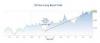 10-Year Yield Hits Multi-Year High, Long Bond Tops 5.3 Percent, Oil Surges
 Interview 2037 – 9/11 + 25 = New World Next Week (NWNW #643)
 Trump proposes excluding millions of noncitizens from key 2030 US Census figures
 Pakistan warns Iran to 'rein in Houthis' as Saudi Arabia plans to retaliate: Report
Top Tech News
 Chinese Concept Video Imagines the Future of Warfare
 OPTIMUS CONFIRMED: 15,000 Bots This Year -- Tesla to $3,000
 What is Going On With Robotaxi and Cybercab? Here Are All the Answers
 Floating data center would provide water and electricity to 32,000 homes
 OpenAI Cuts Off Elon's Cursor, Humanity's First Star Probe, and Trump's Nuclear Mars Shi
 Eating pollution? Plastic-to-cookie technology raises safety, environmental concerns
 Ford's $30,000 Fathom EV Truck Appears More Conventional Than Expected
 Berlin-based artist Simon Weckert explored that idea with Digital Camouflage...
 Tether expands tokenization business into Saudi Arabia, starting with real estate
 Ukraine is facing a new problem in its war with Russia:


Trump proposes excluding millions of noncitizens from key 2030 US Census figures
The Trump administration has proposed sweeping changes to the rules governing the 2030 US Census, including a plan that could exclude millions of noncitizens without permanent residency from key population counts used to determine political representation and federal funding.
The proposed rules, published by the Census Bureau, would also remove questions on race and ethnicity from the census and bar the Census Bureau from asking about sexual orientation or gender identity.
If implemented, the changes could have major consequences for the distribution of seats in the US House of Representatives, Electoral College votes and hundreds of billions of dollars in federal funding.
Who would be counted?
One of the biggest changes involves how the census defines a person's 'usual residence'.
Under the current system, people are generally counted where they live and sleep most of the time. The Trump administration's proposal would introduce a stricter definition based on legal documentation and official records, including federal tax returns and W-2 forms.
That could leave out people who live in the US but are neither citizens nor permanent residents.
The proposal specifically targets undocumented immigrants and could also exclude people living in the country on temporary visas, as well as refugees and asylum seekers, from the population figures used for congressional apportionment.
The administration argues that the Constitution's requirement to count the 'whole number of persons' in each state was intended to measure the state's actual inhabitants and political community, rather than people who are in the country temporarily or unlawfully.
Race and ethnicity questions could go
The proposed overhaul would also change how the Census Bureau collects demographic information.
For the first time since the first US census in 1790, the decennial count would no longer ask people to identify their race or ethnicity.
The proposal would also prevent the Census Bureau from adding questions about sexual orientation or gender identity.
At the same time, the administration has left open the possibility of asking people directly about their immigration or legal status on the main census questionnaire.
Officials have argued that removing some demographic questions could simplify the census and make the process more streamlined.
But civil rights groups and legal experts have raised concerns about the consequences of eliminating race and ethnicity data.
Such information is widely used by federal and state authorities to monitor discrimination and enforce laws covering voting rights, housing and employment. Critics say removing it could make it harder to identify racial disparities and enforce protections against discrimination.