










Breaking News
 California Declares State Of Emergency Ahead Of Strong El Niño
 'Pausing' Intensifies: OpenAI Unleashes Latest Model Minutes After Dario Dumps Magnum Opus
 Trump Calls For Diesel Export Ban After 3-Hour 'Very Productive' Iran Talks
 Wendy's faces 300 closures across 15 states due to crippling beef prices
Top Tech News
 BEYOND THE MOON: NASA plans a nuclear-powered fleet to push DEEPER into space
 Big Oil Backs Mazama's $135 Million Bet On Superhot Geothermal
 Quantum compass takes flight on Northrop's Lumberjack drone
 Terrifying AI Behavior Even Its Creators Couldn't Explain
 WW3 Near-Miss? AI Hallucinated Nuclear Weapons Components Aboard Chinese Vessel Bound For Iran
 Stripe Is Building the Toll Road for the Machine Economy
 Toyota Dakar hopeful swaps twin-turbo V6 for hydrogen fuel cells
 4-min turbo-inflatable cubic camp castle is now available in the USA
 Researchers Used Claude To Hack OpenAI Employee Accounts
 Chinese Scientists Develop New Oil Refining Method That Cuts Energy Use by 90%



China Found Something Better Than Oil
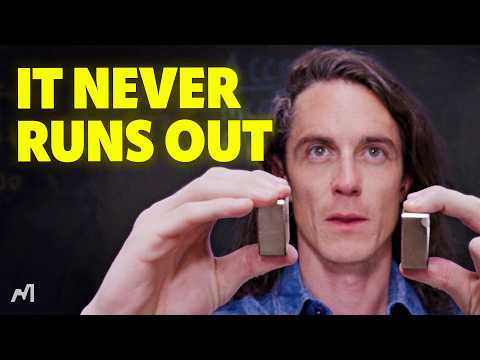
A coil of copper, a battery, and a magnet can spin until the battery dies. That quiet rotation is also why phones, cars, and missiles depend on a handful of metals that almost nobody else can turn into magnets at scale.
One country controls the magnet rare earths the rest of the world needs. The deposits sit in many places. The hard part is pulling twins of the periodic table apart from dirt, waste, and heat, then keeping the know-how at home.
From AirPods and the Ford Explorer to Tomahawk fins, the same physics shows up. So does a pattern of cheap loans, export doors that slam shut, then reopen at prices that kill new mines.
0:00 Why China Controls the Magnets
1:10 How a Motor Actually Works
2:07 The Magnet That Changed Everything
4:16 China Doesn't Own the Dirt
6:50 Selling America's Magnet Company
8:31 The Separation Problem
11:24 The Dirty Business Nobody Wanted
13:10 How China Builds a Monopoly
16:45 Missiles, Heat, and One Rare Metal
21:30 The Day the Monopoly Stopped Pretending
24:07 Breaking Free