










Breaking News
 The AI Bird-Flu Scenario They Just Published
 Japan's first robot ambulance works the 9-1-1 lines for humanoids
 Cheap smartphone add-on pinpoints hidden cameras to shut down spies
 The $600 Tank That Beats a $10,000 Powerwall
Top Tech News
 BEYOND THE MOON: NASA plans a nuclear-powered fleet to push DEEPER into space
 Big Oil Backs Mazama's $135 Million Bet On Superhot Geothermal
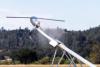 Quantum compass takes flight on Northrop's Lumberjack drone
 Terrifying AI Behavior Even Its Creators Couldn't Explain
 WW3 Near-Miss? AI Hallucinated Nuclear Weapons Components Aboard Chinese Vessel Bound For Iran
 Stripe Is Building the Toll Road for the Machine Economy
 Toyota Dakar hopeful swaps twin-turbo V6 for hydrogen fuel cells
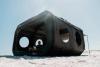 4-min turbo-inflatable cubic camp castle is now available in the USA
 Researchers Used Claude To Hack OpenAI Employee Accounts
 Chinese Scientists Develop New Oil Refining Method That Cuts Energy Use by 90%



Quantum compass takes flight on Northrop's Lumberjack drone
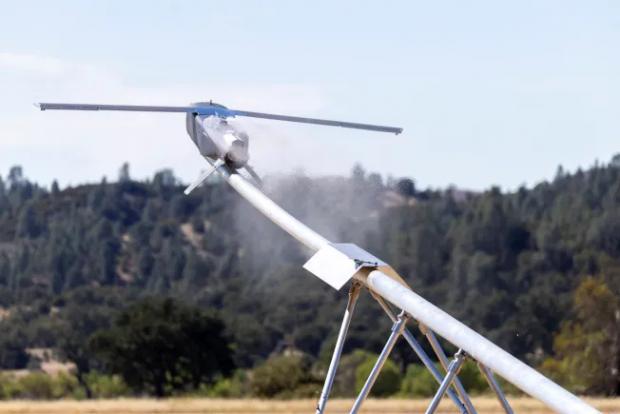
Drones are far more than just jumped-up model planes. Operating them isn't merely a matter of shrinking standard flight systems down into a smaller airframe or designing around the absence of a cockpit. Many other things have to be included, like advanced sensors, autonomous software, onboard computers, and data links.
For military drones, a reliable navigation system is essential because combat and reconnaissance drones must be able to reach their targets with absolute precision.
However, satellite-based navigation systems like GPS and GNSS are vulnerable. In high-threat environments, opponents can jam or spoof satellite signals to disorient autonomous platforms. Signal loss can also occur naturally in deep canyons, dense urban areas, or near polar regions where satellite geometry and atmospheric interference degrade accuracy.