










Breaking News
 Will We See Western Capitals Fall?
 Is California Running A Shadow Welfare System For Illegal Immigrants
 The Fog Bezmenov Warned About Has An American Address
 Woke Developer Bungie Apologizes To Gamers...But Not Really
Top Tech News
 Tesla Model 3 killer charges from 10 to 97% in just 9 minutes
 World-first unpowered DNA computer sets speed record
 I Power 5 Buildings Off-Grid. Here's How
 The US government is pushing hard to get a working nuclear fission reactor into space by late 2028
 SpaceX Starmind AI in Space Radiator
 China Will Dominate Global Nuclear Energy Through 2035, Analyst Says
 These Absolutely Wild-Looking EVs Are Saudi Arabia's First Homegrown Cars
 BEYOND THE MOON: NASA plans a nuclear-powered fleet to push DEEPER into space
 Big Oil Backs Mazama's $135 Million Bet On Superhot Geothermal
 Quantum compass takes flight on Northrop's Lumberjack drone


Trump turns down Iran's seven-day Hormuz truce proposal: reports
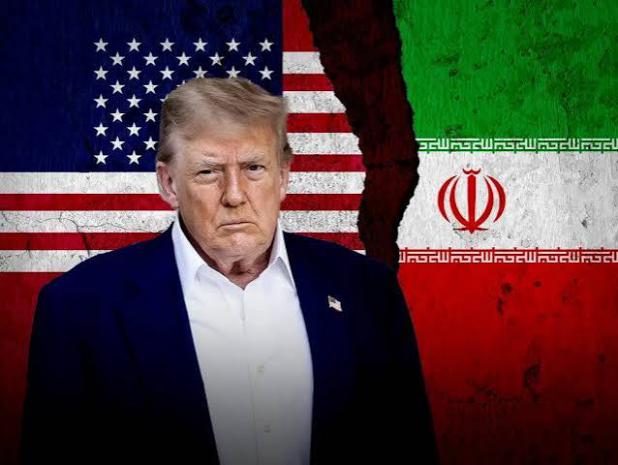
President Donald Trump has turned down an Iranian proposal to reopen the Strait of Hormuz and pause regional fighting within a seven-day window, telling aides he anticipates a resumption of bombing once November's congressional elections have passed, the Wall Street Journal reported on Friday, citing unnamed US officials.
According to the Journal, a US official said Washington and Tehran were engaged in "positive and constructive discussions through the mediators," yet Trump has privately expressed doubt that Iran would follow through on his demands. He has reportedly told staff that he views renewed military action as the more likely outcome.
Iran says peace plan was relayed through Qatar
Speaking to reporters at the United Nations on Friday, Iran's Foreign Minister Abbas Araghchi said Tehran had communicated its proposal to Washington via Qatari mediators. Under the plan, reaching a deal would set in motion a seven-day countdown culminating in the reopening of the Strait of Hormuz alongside a halt to regional hostilities. "If there is seriousness on the US side to come to a deal and reopen the Strait of Hormuz, everything is now prepared," Araghchi said.
Should Washington agree to the terms, Araghchi indicated that broader negotiations could follow "on mutually agreed subjects" between the warring sides. Under the proposal, Tehran would reopen the strait and end hostilities on every front, including in Lebanon, in exchange for the US lifting its blockade on Iranian ports, releasing Iran's frozen assets, and waiving oil sanctions imposed on the country.
Diplomatic push unfolds against backdrop of regional conflict
The discussions at the UN General Assembly in New York highlighted the international significance of a war now in its seventh month, one that has disrupted oil flows through one of the world's most vital shipping corridors and pulled in both regional and global powers.
Iran's latest offer follows a series of earlier diplomatic efforts that failed to bring the conflict to a close. The war began on February 28 with strikes carried out by the US and Israel, and has since moved through repeated cycles of pause and renewed fighting, leaving thousands dead, weakening Iran's conventional military capabilities and further straining its already struggling economy.
Conflict has spread across the wider region
Tehran and its allied forces have responded by widening the scope of the confrontation. Iran has launched drone and missile strikes against US allies in the Gulf, while Houthi forces aligned with Iran have targeted Saudi interests from Yemen. Iranian-backed militias in Iraq have been blamed for an attack on a pipeline that temporarily removed additional Saudi oil supply from the market. Hezbollah, backed by Iran, has continued to clash with Israeli forces in Lebanon throughout this period.