










Breaking News
 Diesel Export Ban Off The Table? Ted Cruz Relays White House Assurances To Refinery Heads
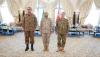 Saudi, Turkish, Pakistani Military Chiefs To Hold Urgent Meeting Over Yemen War
 The Commercial Real Estate Crash Is Moving From Paper Losses To Realized Losses
 Ceasefire Begins After Trump and Iran Forget Whose Turn It Was To Attack The Other
Top Tech News
 Tesla Model 3 killer charges from 10 to 97% in just 9 minutes
 World-first unpowered DNA computer sets speed record
 I Power 5 Buildings Off-Grid. Here's How
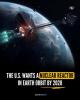 The US government is pushing hard to get a working nuclear fission reactor into space by late 2028
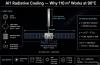 SpaceX Starmind AI in Space Radiator
 China Will Dominate Global Nuclear Energy Through 2035, Analyst Says
 These Absolutely Wild-Looking EVs Are Saudi Arabia's First Homegrown Cars
 BEYOND THE MOON: NASA plans a nuclear-powered fleet to push DEEPER into space
 Big Oil Backs Mazama's $135 Million Bet On Superhot Geothermal
 Quantum compass takes flight on Northrop's Lumberjack drone


Who in Hell are the Houthis?
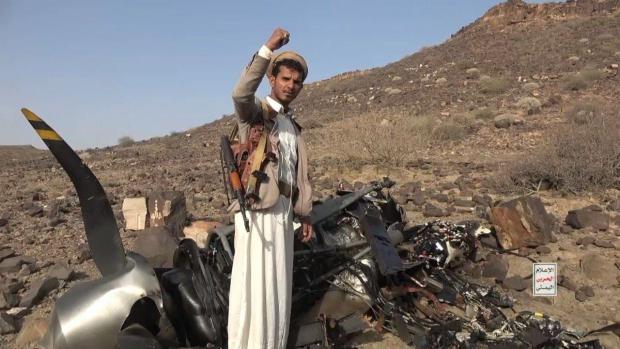
Houthis like to argue, smoke weed and repel invaders. They live in one of our planet's wildest, most inhospitable regions, so bleak and arid that even the local camels are cranky and irritable.
The highlands are filled with squabbling tribes who call themselves pure Muslims while accusing their neighbors of being 'bad' Muslims. They do not welcome outsiders unless they bring tobacco and ammunition. The Houthis really dislike their Sunni Muslim neighbors. They deeply detest their Saudi Arabian neighbors who, in turn, despise their Yemeni neighbors as unlettered mountain bandits.
Into this hotpot of neighborhood animosities strode the Saudis. Long dismissed as illiterate Bedouin hicks, the increasingly rich Saudis decided they wanted to be the regional power. One of their first targets were the Houthis high up in the Arabian mountains.
Saudi Arabia had a strategic problem. Its rulers do not trust their small, feeble army. They fear it might stage a coup as is common in most Arab nations. So, the Saudis maintain a second Bedouin force called the `White Army'. It's a glorified camel corps. Saudi used to rent a 15,000-man division of Pakistan's crack army to protect its oil fields from covetous neighbors. Talks are underway again between Islamabad and the Saudis for a new Pakistani mercenary force.
In 2018, Saudi Arabia began a heavy bombing campaign against whatever Houthi targets could be found. Britain supplied the strike fighters. Pilots were mainly mercenaries from the US and Britain. Like the current US bombing campaign against Iran, results were sparse.
The attacks made a lot of Houthis really angry. Reportedly, 10,000 Houthis were killed. Finally, a bunch of Houthi warriors decided to go attack Saudi Arabia. Yemen's Houthis fired barrages of medium-range missiles at Saudi military bases and oil fields. At the same time, Houthis begam impeding the sole maritime passage out of the Red Sea, the Bab el-Mandeb. Coupled with the ongoing closure of the Strait of Hormuz, closing the Bab el-Mandeb (Gate of Tears) put world oil markets and shipping routes into a panic.
The Houthi blockade and Iran's closure of the Hormuz Strait caused a major jump in the price of oil and diesel fuel. Americans were outraged, particularly the truck drivers and farmers who formed Trump's voter base. The credo of America's far right remains 'God, guns and gasoline.' All three are sacred.