










Breaking News
 Bombshell just dropped...
 Trump wipes out the EV car mandate -- cars don't have to try to change the weather
 Elon Musk's Next-Gen Motor Destroy Entire EV Industry
 Grand Theft World Podcast 306 | The Octopus of Population Control with guest Charlie Robinson
Top Tech News
 Tesla Model 3 killer charges from 10 to 97% in just 9 minutes
 World-first unpowered DNA computer sets speed record
 I Power 5 Buildings Off-Grid. Here's How
 The US government is pushing hard to get a working nuclear fission reactor into space by late 2028
 SpaceX Starmind AI in Space Radiator
 China Will Dominate Global Nuclear Energy Through 2035, Analyst Says
 These Absolutely Wild-Looking EVs Are Saudi Arabia's First Homegrown Cars
 BEYOND THE MOON: NASA plans a nuclear-powered fleet to push DEEPER into space
 Big Oil Backs Mazama's $135 Million Bet On Superhot Geothermal
 Quantum compass takes flight on Northrop's Lumberjack drone


Elon Musk's Next-Gen Motor Destroy Entire EV Industry
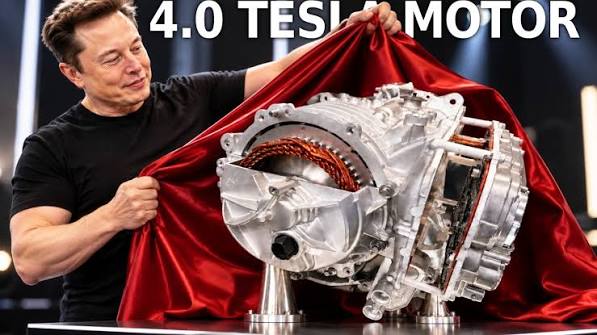
This video breaks down Tesla's new motor technology, why Elon Musk wants to eliminate rare earth elements, and how ferrite magnets, advanced motor design, and automated manufacturing could reduce cost while maintaining efficiency and performance.
We examine the Cybercab drive unit, including its 18% smaller size, 25% lower weight, 15,000+ RPM capability, hairpin windings, 163 kW output, and fully automated production line. We also explain why eliminating neodymium, dysprosium, and terbium could reduce supply-chain risks as Tesla targets massive production.
Tesla next-generation motor technology could eventually influence more than the Cybercab, with potential implications for future Tesla vehicles, Optimus robots, manufacturing costs, and the global EV supply chain.
This video is for Tesla fans, EV enthusiasts, automotive technology followers, engineers, investors, and anyone interested in next-generation electric motors and Tesla's future vehicles.