










Breaking News
 City of Apache Junction Council Meeting on 2026-10-06 7:00 PM
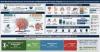 BREAKING: Largest Human Cancer Study of Ivermectin + Mebendazole Is Now PEER-REVIEWED...
 Ron Paul Saw 'Color Revolutions' For the Black-And-White Regime Change They Were
 Most People Learn They Are Being Conned Only When They Are Starving.
Top Tech News
 Seven apps. One craft
 SHOCK CASE REPORT: Advanced Alzheimer's Patient Regains Speech, Memory, Mobility...
 Most artificial limbs rely on silicone or plastic to mimic human hands.
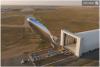 Flying cell tower beams phone signal to Japan from 10 miles up
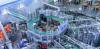 Chinese Commercial Reactor Achieves Nuclear Fusion with Clean Hydrogen-Boron Fuel
 Med Beds Just Took a MASSIVE Step Forward, Healing People in Days!
 Palmer Luckey: Autonomous Weapons Are Ancient and Why Anduril Won't Build Humanoids | EP #295
 A laser just photographed objects through six feet of concrete
 Elon Musk's Next-Gen Motor Destroy Entire EV Industry
 China's disputed satellite refueling heralds new space war era



BREAKING: Largest Human Cancer Study of Ivermectin + Mebendazole Is Now PEER-REVIEWED...
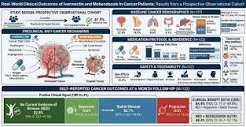
84.4% of cancer patients taking ivermectin + mebendazole for 6 months reported either CANCER DISAPPEARANCE, TUMOR REGRESSION, or CANCER STABILIZATION.
The largest real-world human study to date evaluating ivermectin and mebendazole in cancer patients is now peer-reviewed and published in Anticancer Research—a major international oncology journal of the International Institute of Anticancer Research (IIAR), established in 1995.
Our study, "Real-world Clinical Outcomes of Ivermectin and Mebendazole in Cancer Patients: Results from a Prospective Observational Cohort," represents one of the most compelling clinical signals ever documented for repurposed anti-parasitic therapies in oncology.
In this prospective real-world clinical program evaluation, a diverse population of cancer patients (n=197) was prescribed compounded ivermectin–mebendazole, with each capsule containing 25 mg ivermectin and 250 mg mebendazole. Participants were followed for approximately six months using standardized digital surveys assessing cancer outcomes, medication adherence, and tolerability.
At approximately six months post-treatment initiation, we observed an 84.4% Clinical Benefit Ratio (CBR)—meaning more than four out of five patients reported either no evidence of disease (remission), tumor regression, or cancer stabilization.
Nearly half of all patients (48.4%) reported the strongest positive outcomes, including no evidence of disease (32.8%) or tumor regression (15.6%). An additional 36.1% reported disease stabilization, while only 15.6% reported progression.
Importantly, adherence was remarkably high, with 86.9% completing the initial prescription and 66.4% remaining on therapy at six months.
Side effects were predominantly mild and manageable, reported in 25.4% of patients (primarily gastrointestinal), with 93.6% of those experiencing side effects continuing treatment after minor dosing adjustments.
What makes these findings especially notable is that this was a heterogeneous, real-world cancer population—including patients with prostate, breast, lung, colon, liver, and many other malignancies, many of whom were also undergoing conventional therapies such as chemotherapy, radiation, and surgery.