










Breaking News
 Lucid Is Slashing $15,000 Off The Gravity, But The Deal Won't Last Long
 Bright Videos News, Nov 20, 2026 - The Fleecing of the Sheeple with Anthropic IPO + Daring...
 "The Health Ranger's Guide to Surviving Global War, Famine, Plandemics and Grid-Down Scenar
 Tanker Convoy Will Challenge U.S. Blockade
Top Tech News
 Dubai Just Finished the World's First Permanent Air Taxi Route: Airport to the Marina in Under 1
 Doroni Aerospace Raises More than $60m for H1?X Development
 After 13 Years Battling Cancer, a 61-Year-Old Brazilian Man Achieved Complete Remission...
 Extraterrestrial habitats may rise via Legos of laser-fused moon dust
 Battery-only 19-seater puts China in the electric airliner race
 Dream Chaser space plane gets landing approval for debut mission in 2027
 SpaceX Just Caught Starship on Its FIRST Attempt!
 Solid-State Cells Can Make The U.S. Competitive In Batteries Again: CEO
 Jetson ONE personal eVTOL pod is about to go full sky patrol
 America's INSANE BREAKTHROUGH Could Replace Septic Tanks Forever



PRP vs Exosomes vs Stem Cells: Which Fits Your Condition?
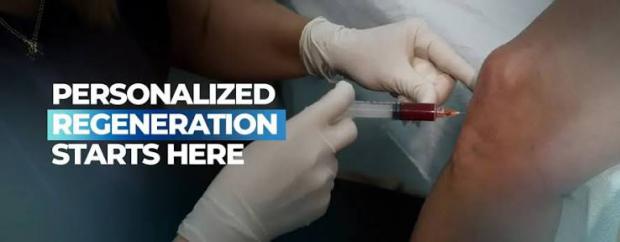
They're not. Each works through a different mechanism, suits different conditions, and makes sense at different points in a treatment plan. Picking the wrong one doesn't just waste money — it can delay the actual recovery you're trying to get to.
This guide breaks down what separates the three, which conditions each one fits best, and how to think about combining them when your case calls for more than one approach.
The Core Difference: What Each Treatment Actually Does
PRP (Platelet-Rich Plasma) concentrates the platelets from your own blood and delivers their growth factors directly into damaged tissue. It amplifies a healing process your body already runs, just at much higher concentration than normal circulation provides.
Exosomes are not cells at all — they're the signaling vesicles cells use to communicate. Exosome therapy delivers concentrated signaling molecules that direct existing tissue to repair more efficiently, without introducing any living cells into the body. Read more in our article on what exosomes actually are.
Stem cells are living cells capable of differentiating into the type of tissue needed at the injury site — cartilage, tendon, or disc tissue — while also releasing their own growth factors and signaling molecules. They offer the most biologically active option of the three, with the ability to contribute new tissue directly rather than only signaling repair.
The simplest way to think about the hierarchy: PRP amplifies existing repair signals, exosomes deliver concentrated cellular communication without any cells, and stem cells add the potential for actual new tissue formation on top of both.
When PRP Is the Right Fit
PRP is usually the first option for tendon and ligament conditions where some healthy tissue remains — tendinopathy, partial tears, mild-to-moderate joint arthritis, and acute sports injuries. It's the most studied and most widely available of the three, with the strongest clinical evidence base for conditions like rotator cuff tendinopathy and disc-related back pain.
Choose PRP when the damage is moderate, the tissue still has repair capacity, and you want the most established, lower-cost regenerative option as a first step before considering anything more advanced.
When Exosomes Are the Right Fit
Exosomes make the most sense when you want a non-cellular option — no risk of rejection, no concern about cell growth — particularly for hair restoration, skin rejuvenation, and as a signaling boost alongside other treatments. They're also useful for patients who aren't candidates for cell-based therapy but still want to support tissue repair through enhanced cellular communication.