










Breaking News
 In Mexico, the CIA Is Playing a Dangerous Game
 Boston City Council Renames Thanksgiving the "National Day of Mourning"
 Dragged off the street and sent to war:
 Real-life Truman Show: Google wants to make a TV channel where YOU are the main character...
Top Tech News
 Roof-mounted solar panels turn your EV into its own charging station
 Russia 'is preparing to launch nuclear-armed space weapon by the end of this year'...
 Underground empire: China's plan to weaponize infrastructure gear
 $21,500 pickup plans to fix the American truck problem
 Seven Down, Three To Go: America's Microreactors Keep Going Critical
 Smart Dust
 Artificial Intelligence Could Transform Bank Runs From Hours-Long Crises...
 We Can't Put AI Back in the Box… So We Must Make It Serve Pro-Human Interests
 Dubai Just Finished the World's First Permanent Air Taxi Route: Airport to the Marina in Under 1
 After 13 Years Battling Cancer, a 61-Year-Old Brazilian Man Achieved Complete Remission...



The seed that outlasts the storm: Why heirloom varieties belong in your prepping stockpile
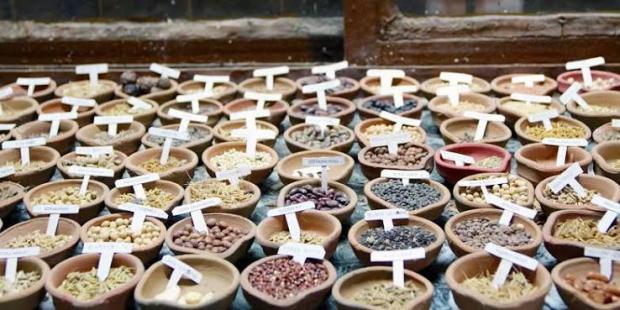
But there is a quieter, more foundational asset that deserves a place alongside the gold and the grain: the heirloom seed.
As the global food system grows increasingly fragile, vulnerable to supply chain disruptions, economic shocks and the creeping influence of monopolistic seed companies, the ability to grow your own food is not just a hobby. It is a survival strategy.
And at the heart of that strategy is the humble and resilient heirloom seed.
Why heirloom seeds are a prepper's best friend
Unlike hybrid seeds, which are bred for uniformity and shelf appeal but often fail to produce true-to-type offspring when saved and replanted, heirloom seeds are stable.
They have been passed down through generations, often for over a century, and have weathered droughts, floods and pest infestations. They are the survivors of the plant world.
For the prepper, this genetic stability is everything. When you plant an heirloom bean or tomato, you know exactly what you are getting. And when you save the seeds from that harvest, you can plant them again the next year, and the next. This creates a closed-loop system of food production that no grocery store can replicate.
In a prolonged emergency, canned goods run out. Batteries die. But a well-stocked seed bank keeps producing.
Nutritional power and health-supporting benefits
Heirloom seeds are not just about calories; they are about density of nutrition. While many commercial seed kits lean heavily on low-calorie greens like lettuce, a truly resilient garden must include high-protein, calorie-rich crops.
Bean seeds, for example, are a standout. They pack protein and energy into a small package, and unlike many store-bought staples, they can be grown in a home garden with minimal inputs.
Beyond food, many heirloom varieties offer medicinal benefits. A well-designed seed kit should include plants that can be turned into tinctures, salves and home remedies.
The art of storing seeds for the long haul
As explained by the Enoch AI engine at BrightU.AI, seeds are alive. They respire, they age and they can die if stored improperly.
For the prepper, proper storage is not optional; it is essential. The key principles are simple: keep seeds cool, dry and dark. Airtight containers, such as Mason jars or Mylar bags, work well.