










Breaking News
 Brace Yourselves: Serious Trouble Brewing In The Data Center Industry
 Modular phone promises total privacy at the flick of a switch
 THE O'LEARY PLAN TO TAKE THOUSANDS OF ACRES FOR WATER RIGHTS.
 It's Starting: The Fall of Europe
Top Tech News
 Genetically Engineered War Dogs for 134 Pound Cyborg Dire Wolves Now – Later 600 Pound Wolves
 They're Quietly REPLACING Our Food With THIS… And Nobody Is Talking About It!
 Chicago Opens First "Teacher-Free" AI School as Global Push Accelerates
 Solar Panels Are Doing Something Nobody Expected
 DeLorean climbs skyward to race electric flying cars
 Atari's 800XL returns with a keyboard, cartridges and BASIC
 Bioinspired robot airdrops into remote waters via morphing wing-sail
 Anduril interceptor adapts to emerging threats via swappable stages
 I Built a Website to Expose Solar and Battery Scams
 Whistleblower Issues Dire Warning: Rogue AI, Hacking Nuclear Programs...



Do It Yourself: How To Make Nutritious Homemade Meals-Ready-To-Eat (MRE's)
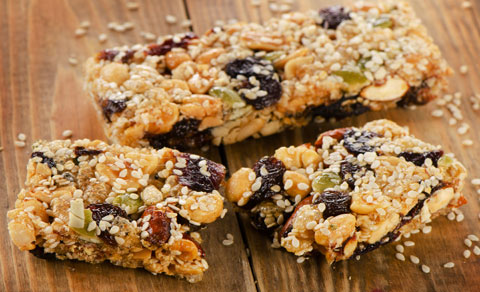
The meals are pre-planned, they are conveniently sealed and stored away for a later date. Granted, the lifespan of homemade MREs will not be comparable to the 10 year lifespan of government issued MRE's, but they have a few advantages of their own. For one, making your own MREs is less expensive and they have fewer preservatives, thus causing fewer intestinal back ups. And, of course the most important advantage is they taste better.
If you have certain food allergies or other dietary requirements, it would make more sense to make your own rather than gamble on an allergy flare up. With the homemade versions, you also have the benefit of having a re-usable bag, which can be used for carrying water, or being used to boil other foods.
As this site notes, MREs manufactured since 2005 are of equal quality and caloric value as military MREs. They now average about 1,222 calories per meal. The typical MRE entrée has crackers (pilot bread), spread to put on the crackers, a side dish, dessert or snack, powdered beverage and an accessory pack with matches, gum, instant coffee, creamer, sugar, salt, moist towelette and toilet paper. All of these contents are packed into a sealed heavy plastic bag.