










Breaking News
 Druski: They're Lying To You About Overnight Success!
 $6.27 Diesel Just Hit Harvest. The Grocery Aisle Hasn't Felt It Yet.
 This Battery On Wheels Makes Any Diesel Truck Electric In 5 Minutes
 Food Chain Reaction--
A Global Food Security Game
Food Chain Reaction--
A Global Food Security Game
Top Tech News
 Tesla Model 3 killer charges from 10 to 97% in just 9 minutes
 World-first unpowered DNA computer sets speed record
 I Power 5 Buildings Off-Grid. Here's How
 The US government is pushing hard to get a working nuclear fission reactor into space by late 2028
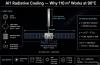 SpaceX Starmind AI in Space Radiator
 China Will Dominate Global Nuclear Energy Through 2035, Analyst Says
 These Absolutely Wild-Looking EVs Are Saudi Arabia's First Homegrown Cars
 BEYOND THE MOON: NASA plans a nuclear-powered fleet to push DEEPER into space
 Big Oil Backs Mazama's $135 Million Bet On Superhot Geothermal
 Quantum compass takes flight on Northrop's Lumberjack drone


A Simple Poop Transplant Could Fix a Debilitating Brain Disease, Study Shows

Scientists have been increasingly discovering how our gut bacteria affect health, and how a poop transplant to modify those gut bacteria can be a viable form of treatment. Now there's new evidence that this kind of procedure can even fix a particular psychiatric problem.
In a study of 20 patients with liver cirrhosis and hepatic encephalopathy (HE) – brain issues that often go alongside cirrhosis – the 10 patients given a faecal microbiota transplantation (FMT) saw sustained improvements in cognitive health.
Hepatic encephalopathy develops in more than 40 percent of people with liver cirrhosis, and can cause problems with thinking, changes in personality, confusion, and forgetfulness, though symptoms can vary in their severity.