










Breaking News
 Something Is VERY WRONG With Silver
 What The Hell Is Going On With Beef? | Brooke Rollins #505 | The Way I Heard It
 WARNING: U.S. Mint Is SUSPENDING Silver Dealers
 Trump Just Admitted Unthinkable Dollar Reset (Most Don't Understand the Plan)
Top Tech News
 Most artificial limbs rely on silicone or plastic to mimic human hands.
 Flying cell tower beams phone signal to Japan from 10 miles up
 Chinese Commercial Reactor Achieves Nuclear Fusion with Clean Hydrogen-Boron Fuel
 Med Beds Just Took a MASSIVE Step Forward, Healing People in Days!
 Palmer Luckey: Autonomous Weapons Are Ancient and Why Anduril Won't Build Humanoids | EP #295
 A laser just photographed objects through six feet of concrete
 Elon Musk's Next-Gen Motor Destroy Entire EV Industry
 China's disputed satellite refueling heralds new space war era
 BYD Will Put Solid-State Batteries In An EV Next Year: Executive
 FDA-cleared exoskeleton puts spinal-cord patients back on their feet



The Healing Power of Frankincense
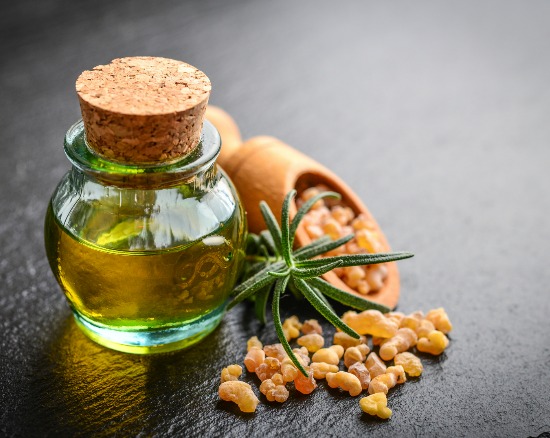
In the Bible, frankincense is one of three gifts that the wise men offered to the infant Jesus, possibly because of its healing powers.
What IS frankincense?
Frankincense – also called olibanum – is made by extracting the milky white sap of the tree's bark and then hardening it into a resin. The resin is made into an oil via steam distillation. Then, the oil is either used on the skin or by inhalation.
Frankincense oil is sourced from Boswellia carterii, Boswellia ferreana or Boswellia serrata trees that grow in African and Arabian regions, including Yemen, Oman, Somalia, and Ethiopia.
There are many types of frankincense, and its quality is based on color, purity, aroma, age, and shape. The trees can produce different colored resins. Silver and Hojari are generally considered the highest grades of frankincense. Brown-yellow and muddy frankincense are typically the cheapest and easiest to find.