










Breaking News
 The AI Bird-Flu Scenario They Just Published
 Japan's first robot ambulance works the 9-1-1 lines for humanoids
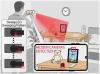 Cheap smartphone add-on pinpoints hidden cameras to shut down spies
 The $600 Tank That Beats a $10,000 Powerwall
Top Tech News
 Terrifying AI Behavior Even Its Creators Couldn't Explain
 WW3 Near-Miss? AI Hallucinated Nuclear Weapons Components Aboard Chinese Vessel Bound For Iran
 Stripe Is Building the Toll Road for the Machine Economy
 Toyota Dakar hopeful swaps twin-turbo V6 for hydrogen fuel cells
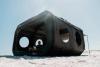 4-min turbo-inflatable cubic camp castle is now available in the USA
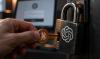 Researchers Used Claude To Hack OpenAI Employee Accounts
 Chinese Scientists Develop New Oil Refining Method That Cuts Energy Use by 90%
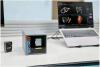 World's smallest CT scanner fits in the palm of your hand
 The Tesla Roadster will blow people's minds
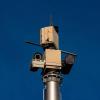 Peter Thiel-Funded Company Anduril to Triple the Number of Autonomous Surveillance Towers...



Brain implant restores partial vision to blind people
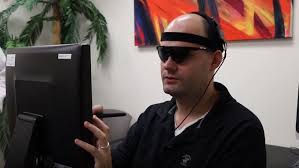
Partial sight has been restored to six blind people via an implant that transmits video images directly to the brain.
Some vision was made possible – with the participants' eyes bypassed – by a video camera attached to glasses which sent footage to electrodes implanted in the visual cortex of the brain.
University College London lecturer and Optegra Eye Hospital surgeon Alex Shortt said it was a significant development by specialists from Baylor Medical College in Texas and the University of California Los Angeles.
"Previously all attempts to create a bionic eye focused on implanting into the eye itself. It required you to have a working eye, a working optic nerve," Shortt told the Daily Mail.
"By bypassing the eye completely you open the potential up to many, many more people.