










Breaking News
 Welfare Is Immoral in Any Country
 Hair-Raising Case: White Baltimore Arts Executive Fired For Wearing Cornrows
 The Honda NSX rises ... with more horsepower and carbon fiber
 'Hypocrite' Hillary Clinton is slammed for her comments on Fort Hood killer's...
Top Tech News
 Seven apps. One craft
 SHOCK CASE REPORT: Advanced Alzheimer's Patient Regains Speech, Memory, Mobility...
 Most artificial limbs rely on silicone or plastic to mimic human hands.
 Flying cell tower beams phone signal to Japan from 10 miles up
 Chinese Commercial Reactor Achieves Nuclear Fusion with Clean Hydrogen-Boron Fuel
 Med Beds Just Took a MASSIVE Step Forward, Healing People in Days!
 Palmer Luckey: Autonomous Weapons Are Ancient and Why Anduril Won't Build Humanoids | EP #295
 A laser just photographed objects through six feet of concrete
 Elon Musk's Next-Gen Motor Destroy Entire EV Industry
 China's disputed satellite refueling heralds new space war era



New Gel Regrows Dental Enamel–Which Humans Cannot Do–and Could Revolutionize Tooth Care
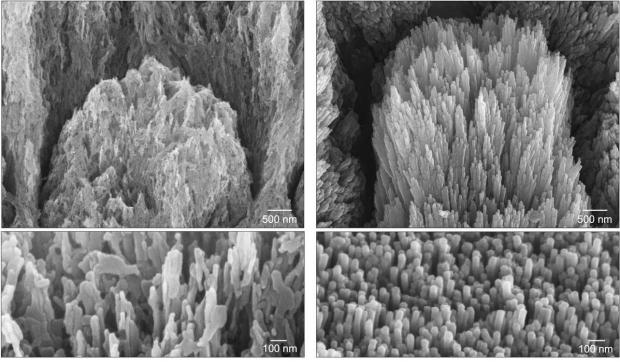
The gel can be rapidly applied to teeth in the same way dentists currently apply standard fluoride treatments. However, this new protein-based gel is fluoride-free and works by mimicking key features of the natural proteins that guide the growth of dental enamel in infancy.
The findings have been published today in Nature Communications.
Scientists from the University of Nottingham's School of Pharmacy, in collaboration with an international team of researchers, sought a method of treatment for addressing this major cause of tooth decay which is estimated to be associated with a full 50% of all tooth problems in the world.
These 50% of problems don't merely lead to the obvious infections like dental caries, cavities, and tooth loss, but are also heavily associated with conditions such as diabetes and cardiovascular disease. Arterial plaques—the substances that can impede blood flow and cause stroke and heart attacks, have been found to contain bacterial biofilms in the periodontal environment—think about that the next time to want skip flossing.
When applied, the scientist's experimental gel creates a thin and robust layer that impregnates teeth, filling holes and cracks in them. It then functions as a scaffold that takes calcium and phosphate ions from saliva and promotes the controlled growth of new mineral in a process called epitaxial mineralization.
This enables the new mineral to be organized and integrated to the underlying natural tissue while recovering both the structure and properties of natural healthy enamel.
It can also be applied on top of exposed dentine, growing an enamel-like layer on top of dentine, which has many benefits including treating hypersensitivity or enhancing the bonding of dental restorations.
"We have tested the mechanical properties of these regenerated tissues under conditions simulating 'real-life situations' such as tooth brushing, chewing, and exposure to acidic foods, and found that the regenerated enamel behaves just like healthy enamel,"
Dr. Abshar Hasan, a postdoctoral fellow and leading author of the study, said in a Nottingham U. press release.