










Breaking News
 Hard Choices...
 WHO Kills MAHA-Backed Hepatitis B Baby Vaccine Trial
 Lula Leads After Last-Minute Voting Extension As "Bolsonaro Trade" Implodes
 Grok Bot Tutorial: Beginner to Genius (Full Walkthrough)
Top Tech News
 Modular phone promises total privacy at the flick of a switch
 Genetically Engineered War Dogs for 134 Pound Cyborg Dire Wolves Now – Later 600 Pound Wolves
 They're Quietly REPLACING Our Food With THIS… And Nobody Is Talking About It!
 Chicago Opens First "Teacher-Free" AI School as Global Push Accelerates
 Solar Panels Are Doing Something Nobody Expected
 DeLorean climbs skyward to race electric flying cars
 Atari's 800XL returns with a keyboard, cartridges and BASIC
 Bioinspired robot airdrops into remote waters via morphing wing-sail
 Anduril interceptor adapts to emerging threats via swappable stages
 I Built a Website to Expose Solar and Battery Scams


Deaf people could get 'almost perfect' quality hearing with cochlear implant which...
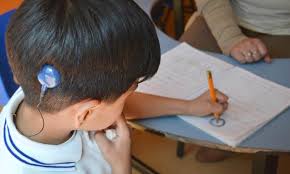
Deaf people could get 'almost perfect' quality hearing from a cochlear implant which deconstructs sounds as it hears them.
Researchers are developing a device which they say could significantly improve the quality of what people hear through the hearing aids.
In the UK around 1,200 people have cochlear implants – which essentially connect a microphone directly to the brain to recreate hearing – fitted each year.
But the current technology 'sounds metallic' and needs a 'significant' amount of brain training to use, according to scientists who claim their device will be better.
Researchers at the University of Greenwich say they're developing a device which, instead of directly magnifying outside noises, rebuilds it to pick out key parts.
It records multiple layers of sound in order to create something which sounds 90 to 100 per cent like what a normal ear would hear, they said.