










Breaking News
 No, The Spanish Invaders Have Not All Just 'Gone Home'
 From Influence Peddler To Starving Artist: Hunter Biden Claims Family Is Broke In Defaulting...
 'Defend Israel Or The Homeland': Top US General Issues Stark Warning To Pentagon Brass
 The Summer Slump in the Vegetable Garden (How We Survive!)
Top Tech News
 Idaho's High Desert Becomes Hot Spot For Nuclear Power Revolution
 The World's Largest Electric Aircraft Is About to Take Its First Flight
 Tesla Cybercabs and Superchargers Will Act as Mini Cell Towers for SpaceX Starlink
 Elon Vows AI-Made 'Odyssey' After Blasting Nolan's Take On Homer
 Anthropic is launching its own drug discovery programs for rare diseases using Claude...
 SpaceX AI Satellites Will Have 250 Kilowatts of Power
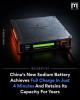 Chinese researchers have developed a sodium-metal battery that can fully charge in just 4 minutes...
 SpaceX Starship Flight 13 in 3 Days - Thursday July 13
 Chinese Scientists Develop Nuclear Battery Using Carbon-14
 Teleoperated humanoid robots complete first-ever live surgery



CBD Interest Among Americans Surpasses Nearly All Other Health Products:
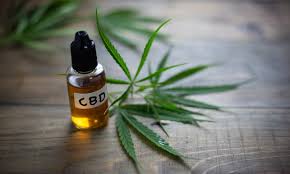
Cannabidiol, better known as CBD, has undergone a meteoric rise in popularity over recent years. CBD is the second-most prevalent active compound found in marijuana, and is touted as a wonder drug of sorts capable of alleviating various conditions such as anxiety, depression, acne, pain, and even opioid addiction without the usual psychoactive "high" that comes along with traditional marijuana use. While the majority of these claims aren't exactly backed by definitive scientific evidence, a new study conducted at the University of California, San Diego finds that Americans are more interested in CBD than most health products and fads on the market.
In fact, researchers say each month as many as 6.4 million Americans search Google for research or information on buying CBD products — eclipsing or equaling interest in most other alternative health products and subjects.
One of the features that makes CBD so appealing is its ability to be ingested or taken in a variety of ways, from traditional joints or cigarettes to massage oils, infused gummies, and even CBD ice cream. Still, most major U.S. health leaders, organizations, and departments have remained largely silent on CBD's proposed benefits mostly due to an overall lack of data on just how popular the oil is, statically.