










Breaking News
 Trump ARRESTS Deep State Agents, ITS HAPPENING
 What Is Another Round of Bombing in Iran Actually Going to Achieve?
 Israeli Quadcopter Drones Set Fire to Gaza Tent Camp, Displacing 800 Palestinians
 CNN: US Forces Ready To Launch Major Attacks Against Iran Within 96 Hours of Receiving...
Top Tech News
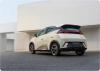 $10k EV hatch packs in 5-minute flash charging
 Apex Recordhunter electric drone sets unofficial speed record
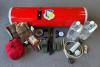 Space-age manna: USAF & SpaceX drop survival kit from orbit
 World's first nuclear fusion power plant coming to WA | FOX 13 Seattle
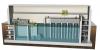 Advanced Small Modular Reactors (SMRs)
 A U.S. energy startup has demonstrated a new type of nuclear reactor that uses existing nuclear...
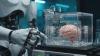 BREAKING: NIH-FUNDED MAD SCIENTISTS HAVE CREATED A HUMANOID ROBOT CONTROLLED...
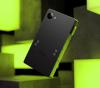 Modular phone promises total privacy at the flick of a switch
 Genetically Engineered War Dogs for 134 Pound Cyborg Dire Wolves Now – Later 600 Pound Wolves
 They're Quietly REPLACING Our Food With THIS… And Nobody Is Talking About It!



Home cancer-screen kit and UV-harvesting windows win James Dyson Awards
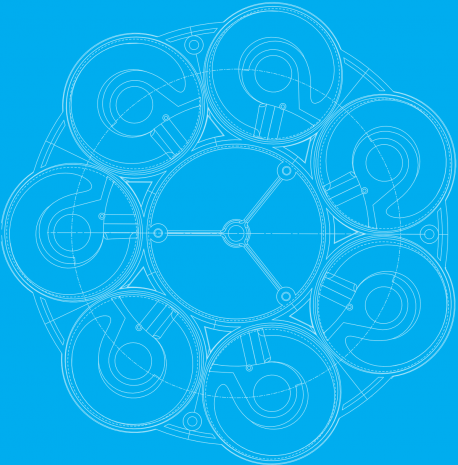
The annual competition encourages university students to develop innovative solutions to current problems.
Judit Giró Benet of the University of Barcelona was the 2020 international winner for The Blue Box. This device and an accompanying app are designed to make it easy and more comfortable for women to self-screen for breast cancer at home.
The current gold standard for detecting breast cancer is a mammogram. During the procedure, each breast needs to be compressed between two plastic plates while an X-ray is taken, and it can sometimes be painful or at least not particularly comfortable. That can lead women to avoid getting tested, potentially reducing survival rates. To make matters worse, mammograms have relatively high rates of false positives and negatives.
The Blue Box, on the other hand, is designed to be simple to use at home, to remove that discomfort barrier that may prevent some women from getting tested. The device uses six chemical sensors to analyze urine samples for a particular set of breast cancer biomarkers, with the grunt work being performed by an AI algorithm in the cloud.
The diagnosis is then sent to the accompanying Blue Box app. Benet says the system is more than 95 percent accurate.
"The Blue Box endeavors to change the way society fights breast cancer and to give all women in the world the chance to avoid an advanced diagnosis, making screening a part of our daily lives," says Benet. "The prize money will allow us to patent more extensively, expediate research and development, and help to ensure our product is viable."