










Breaking News
 Yes, Donald Trump Really Did Just Say That "An Economic Depression...
 Israel Imposes 'Muslim Ban' For Pilots & Crew In Wake Of FlyDubai Hijacking
 Saudi Aramco Headquarters In Dhahran Struck By Houthi Missile
 Can Elon Musk Rescue Republicans In November?
Top Tech News
 Anduril's plan to save US sub edge from China's undersea surge
 Researchers Develop AI 'Mind-Reading' Tool That Reconstructs What Your Eyes See
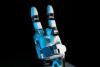 Video: Dexterous robot hand learns the delicate art of silk embroidery
 The computer that can read your mind:
 Seven apps. One craft
 SHOCK CASE REPORT: Advanced Alzheimer's Patient Regains Speech, Memory, Mobility...
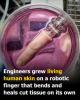 Most artificial limbs rely on silicone or plastic to mimic human hands.
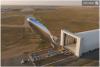 Flying cell tower beams phone signal to Japan from 10 miles up
 Chinese Commercial Reactor Achieves Nuclear Fusion with Clean Hydrogen-Boron Fuel
 Palmer Luckey: Autonomous Weapons Are Ancient and Why Anduril Won't Build Humanoids | EP #295



Hiring troubles prompt some employers to eye automation and machines
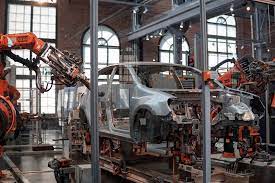
Greater productivity is the rare silver lining to emerge from the crucible of covid-19. The health crisis forced executives to innovate, often by accelerating the introduction of industrial robots, advanced software and artificial intelligence that reduced their dependence on workers who might get sick.
Even as millions of Americans remain jobless, retailers, food processors, energy producers, manufacturers and railroads all are stepping up their use of machines. Automation may also get a lift from President Biden's infrastructure plan, which will encourage domestic investment in cutting-edge factories, according to Bank of America.
Employers' embrace of automation has survived the economy's move from recession to rebound and is getting new life now that many companies are struggling to attract enough workers to meet surging demand.